
Your Dog Got It Wrong. Good. Now You Know Something.
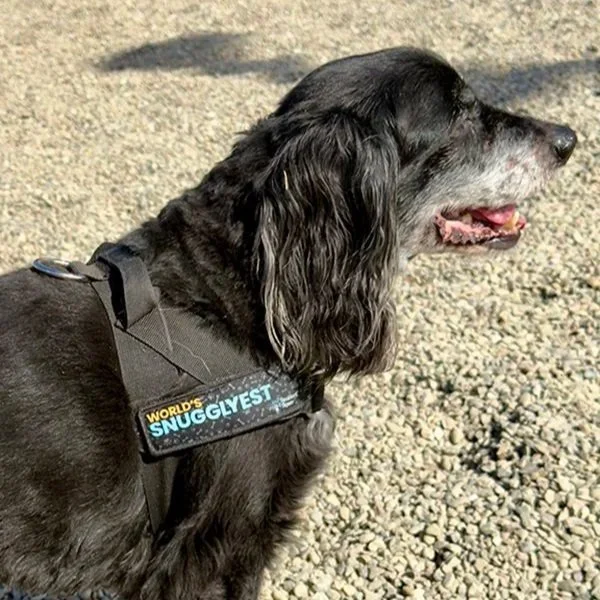
When a behavior works, you know your dog can do it under those particular conditions. When the behavior changes, you begin to discover which parts of those conditions matter. Your dog may stay while you move three steps away and follow at five. They may disengage from another dog across the street and struggle when that dog comes closer. They may respond quickly to a recall at home while the park asks much more of their attention.
Your Dog Is Having a Hard Time, Not Giving You a Hard Time
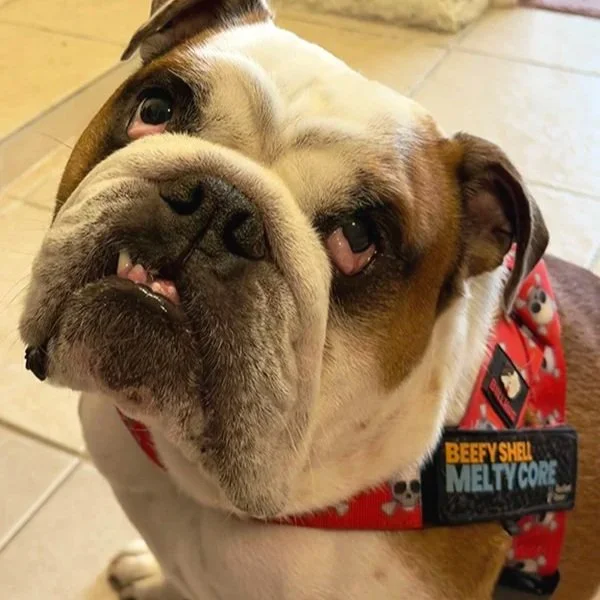
A behavior your dog can perform easily in one situation may be much harder in another. The living room is different from the sidewalk. A quiet sidewalk is different from one with another dog approaching. Coming when called from ten feet away is different from leaving a fascinating smell at the other end of the park. The behavior may look the same to us, but the experience is not the same for the dog.
The First Steps Always Feel the Hardest. Because They Are.
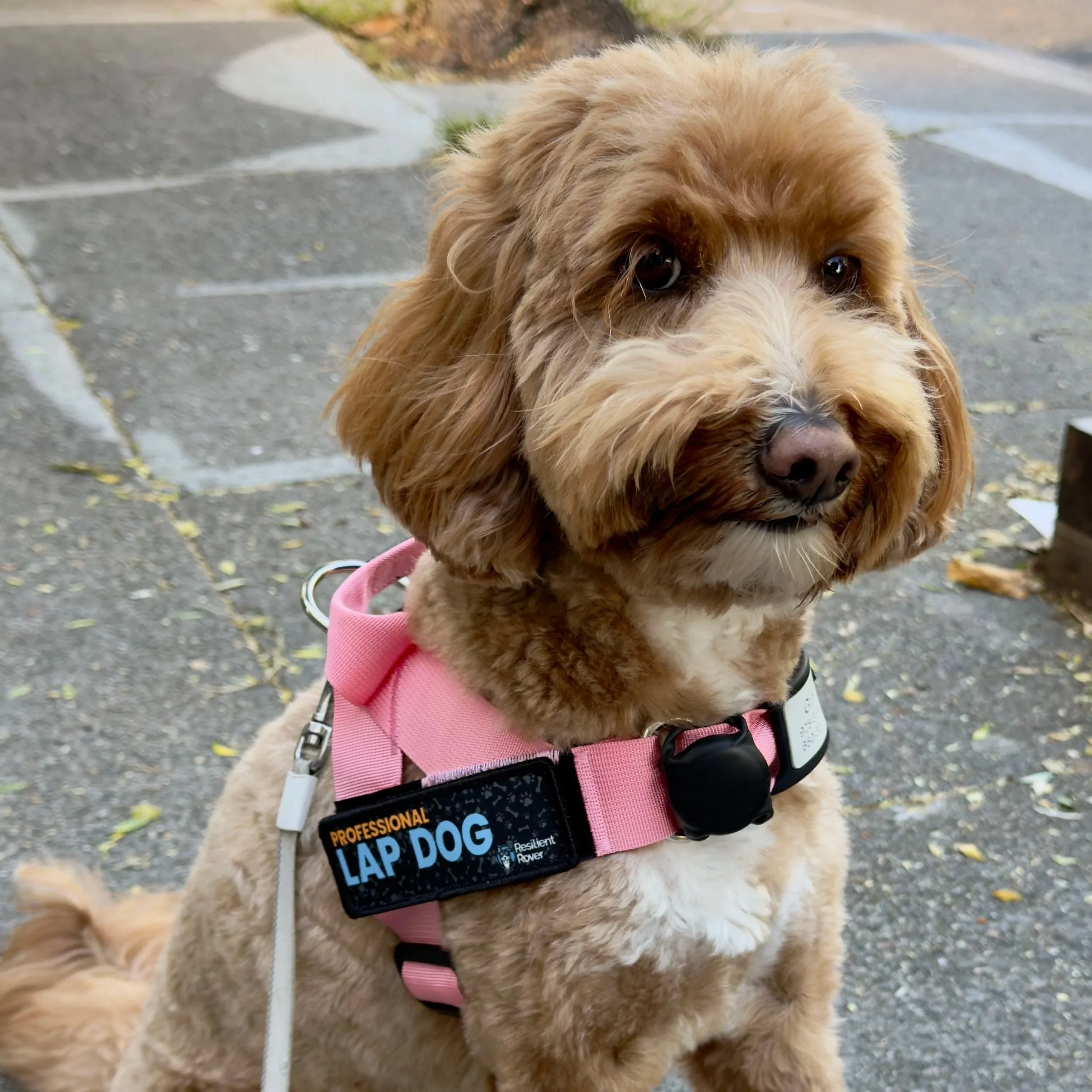
Many people expect dog training to focus primarily on teaching the dog. Then the first week reveals how much human learning happens alongside it. You are beginning to notice behavior differently. A glance from your dog becomes an opportunity to respond. A moment of hesitation becomes information worth observing. Things that once passed unnoticed start carrying meaning. Seeing them is one skill. Responding in real time takes practice too.
Your Dog Will Come When They Want to Come: Why Yelling Louder Doesn’t Improve Recall
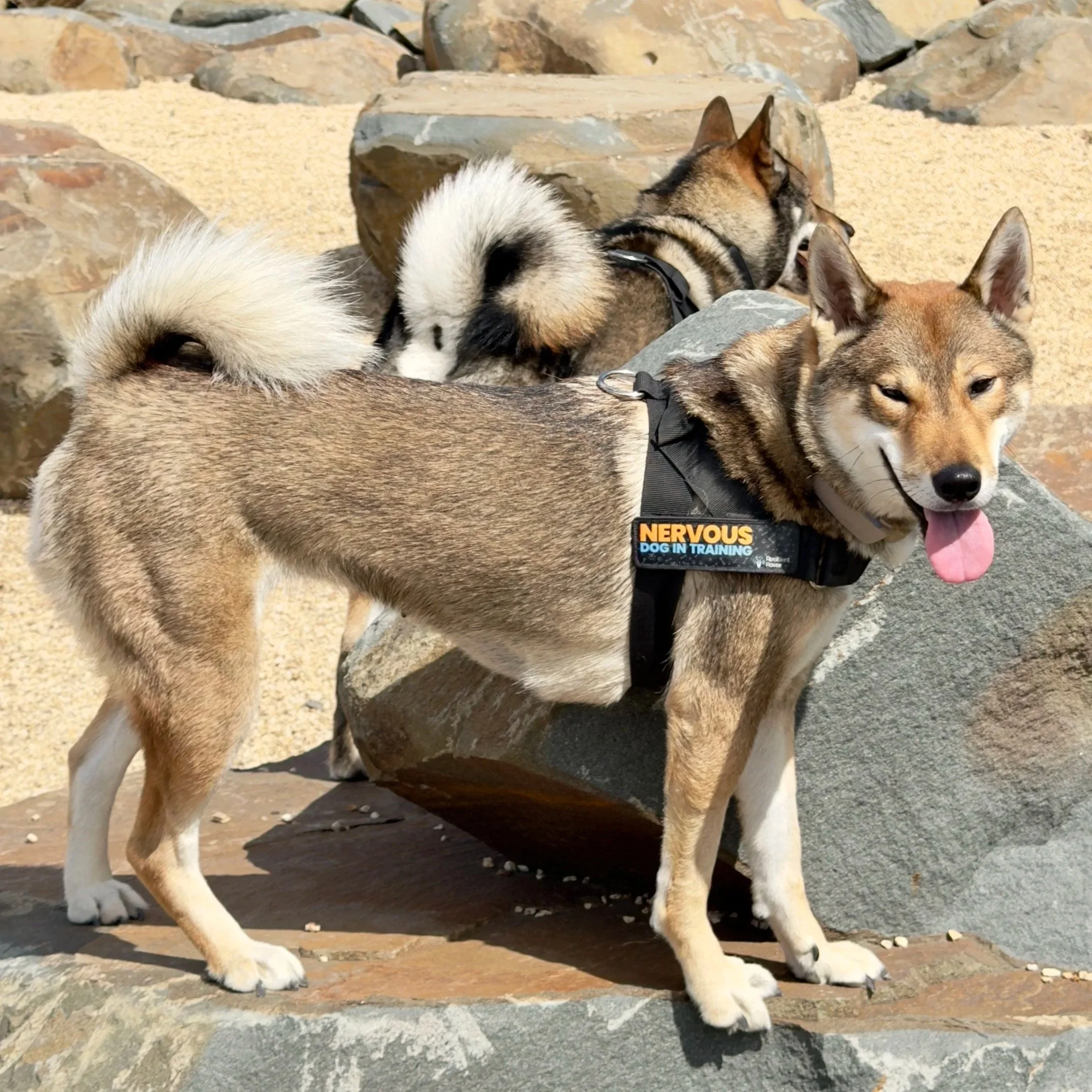
Recall Depends on Availability. Your dog can understand a cue and still struggle to respond to it. Their ability to use what they have learned changes with the situation. Sometimes stress takes up their attention. A worried dog may become focused on monitoring the environment, leaving less capacity for anything you are asking. Their priorities have shifted toward gathering information about what feels concerning. Excitement can create a similar challenge. Picture a young dog racing around with another dog they love. Their attention has narrowed around movement and play, so turning away requires much more effort than it would at home.
Don’t Touch Me and Don’t Touch My Stuff! Supporting Dogs Who Guard Their Body, Space and Things
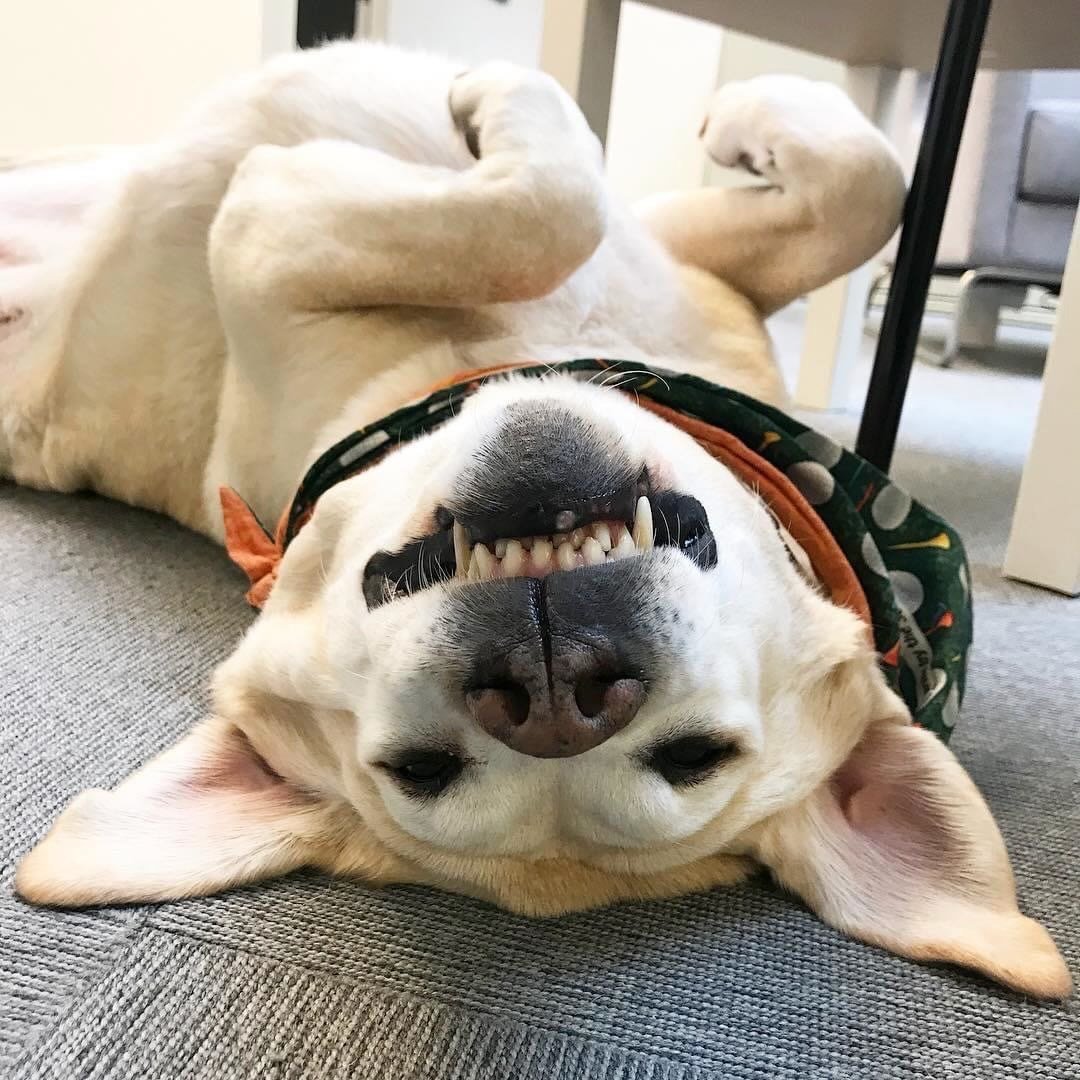
Start With What Your Dog Is Telling You. A growl can make people nervous. A dog freezing when you reach toward them can be easier to miss, but that stillness may carry equally useful information. Watch the whole dog. You may see their body become tense as your hand approaches the collar. Around a valued object, you might notice them become very still as you move closer. These changes tell you that the interaction has become harder. Catching them gives you an opportunity to respond before your dog feels the need to communicate more intensely.
Dogs Aren’t Stubborn. They’re Just 2-Year-Olds with Fur.
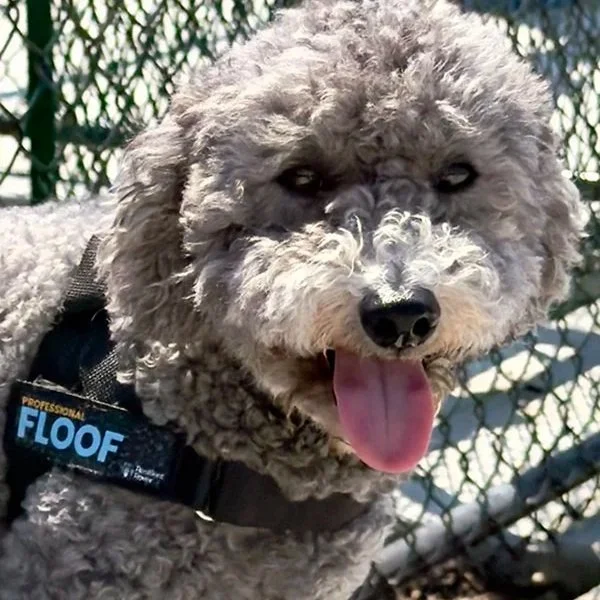
When a dog struggles with something they have done successfully before, people often assume the dog made a deliberate decision to ignore them. That interpretation can make frustration arrive quickly. Behavior gives you more useful information when you look at what surrounded it. Your dog may respond beautifully to a cue in your living room and struggle with the same cue on a busy sidewalk. They know the behavior, but the environment has changed the difficulty.
Calm Is Power: What Your Dog’s Photo Session Can Teach You About Connection
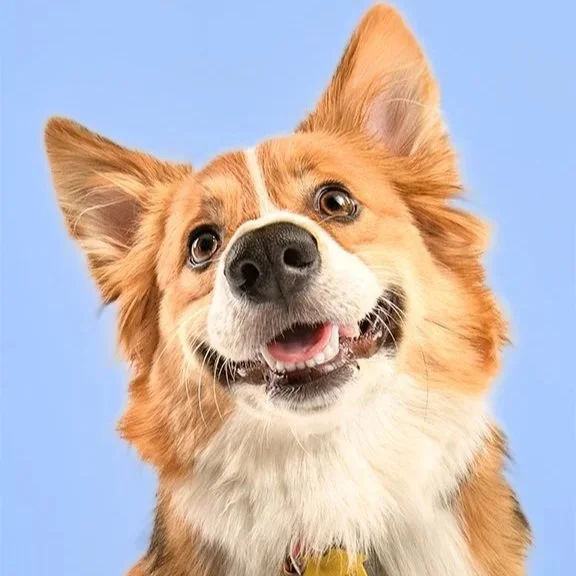
We approach dog photography with the same skills we bring to training. We watch your dog’s communication and adjust our pacing in response. We use motivation thoughtfully. When your dog needs a moment, we give them one. That approach helps us create beautiful portraits efficiently because your dog can participate in the process. It also demonstrates something you can carry into everyday life: Calm Is Power. When we create conditions where a dog can think and engage, we have more possibilities available to us.
Good, Better, Excellent: Using Differential Reinforcement to Shape Stronger Behavior (Part 2)
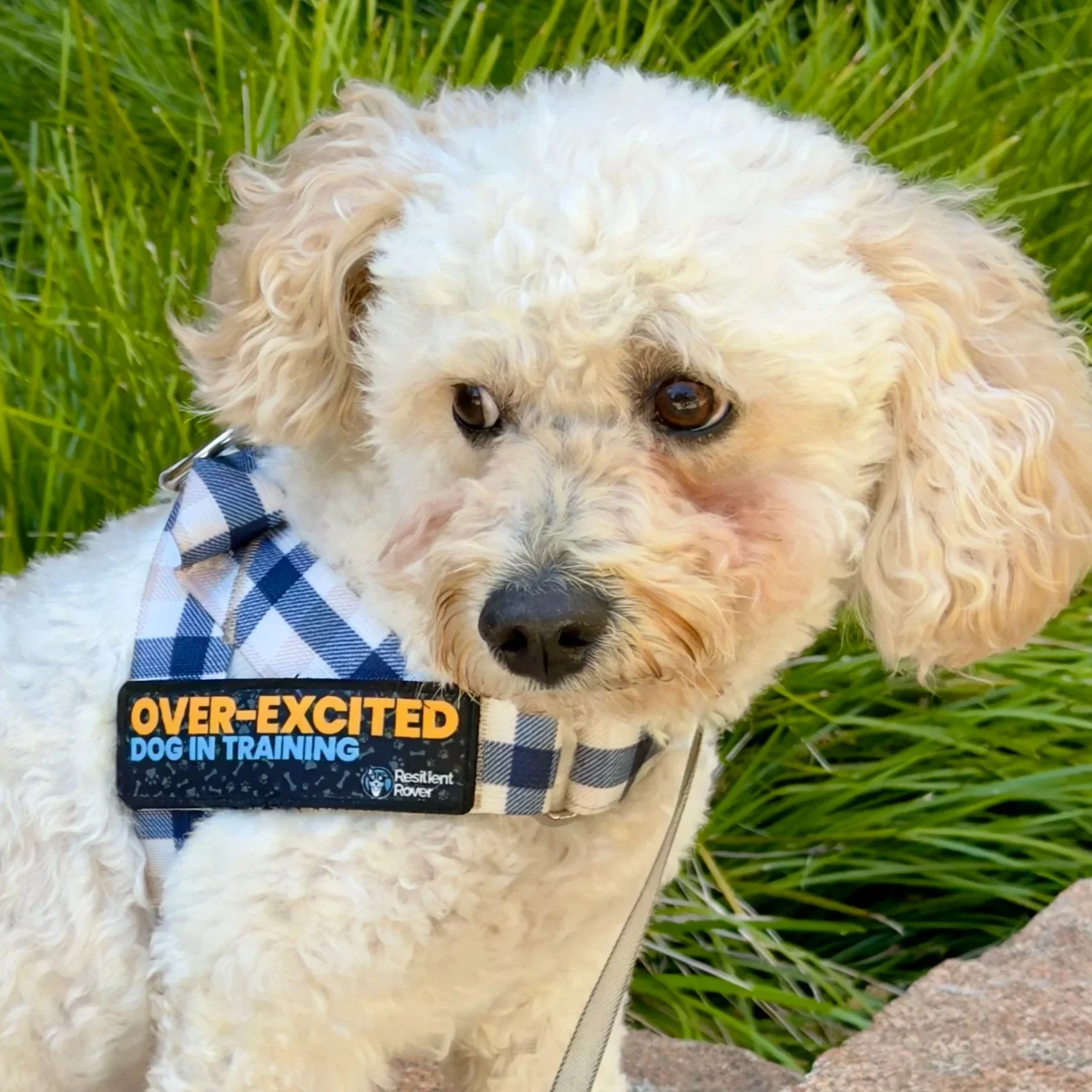
In Part 1, we explored differential reinforcement as a way to help your dog choose a useful behavior when something else has been getting in the way. We focused on DRI, Differential Reinforcement of Incompatible Behavior, and asked a practical question: What could my dog do instead? Now we can take differential reinforcement in another direction. We use the term Differential Reinforcement of Excellent Behavior, or DRE, for selectively giving greater reinforcement to those stronger performances.
Give Them Something Better to Do: Using Differential Reinforcement With Your Dog (Part 1)
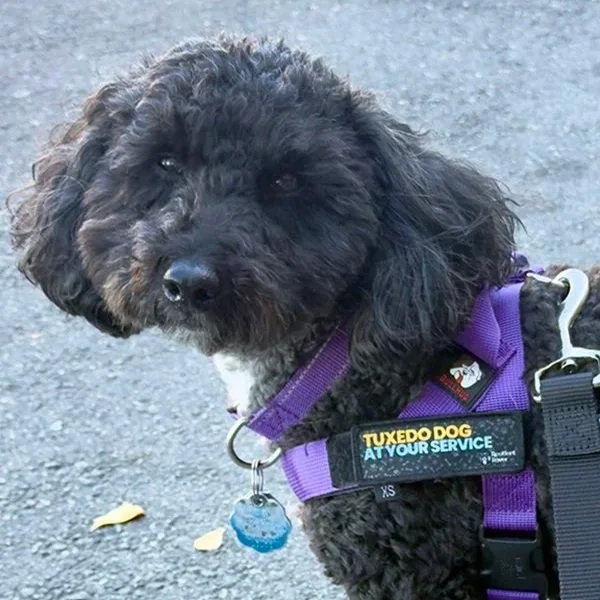
Someone comes to the door. Your dog hears the knock and starts barking. By the time you reach the entryway, they are fully invested in announcing the arrival while you are trying to welcome your guest. It is easy to focus on the barking because that is the behavior demanding your attention. Training becomes more useful when you ask a different question: What could my dog do here instead? That question gives you somewhere to go.
Small Wins for the Win: Getting Your New Dog onto Solid Footing from Day One
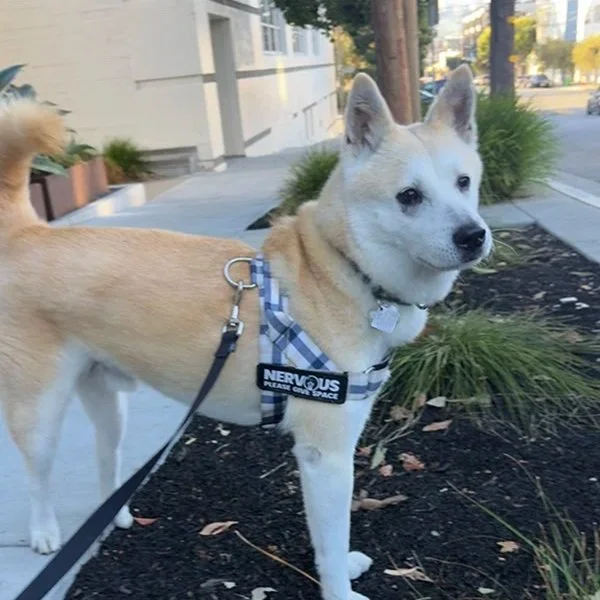
Bringing home a new dog carries a lot of hope. You picture walks together and quiet evenings at home. You imagine the relationship you will have once everyone settles in. Then your actual dog arrives. They bring their own preferences and ways of communicating. You bring expectations, routines, and a home they have never lived in before. Suddenly, both of you have quite a lot to learn about each other.
Trust IS the Process: Helping a Shy Dog Find Their Confidence
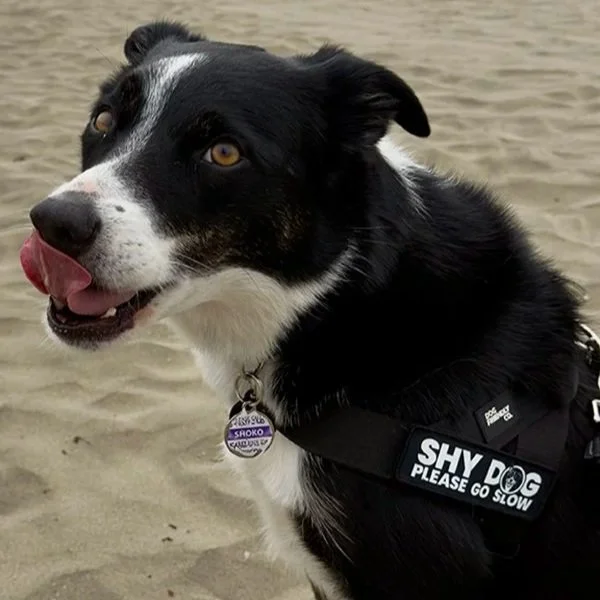
A dog can communicate uncertainty long before the message becomes obvious. These changes can be subtle, especially when you are focused on the person or dog approaching. Start by looking for changes rather than trying to memorize a dictionary of dog body language. What did your dog look like a moment ago? What changed in the environment? Those two questions can help you become more observant without asking you to know exactly what your dog feels.
Tips for Conversational Walking: What If Your Daily Walks Could Become Real Conversations?
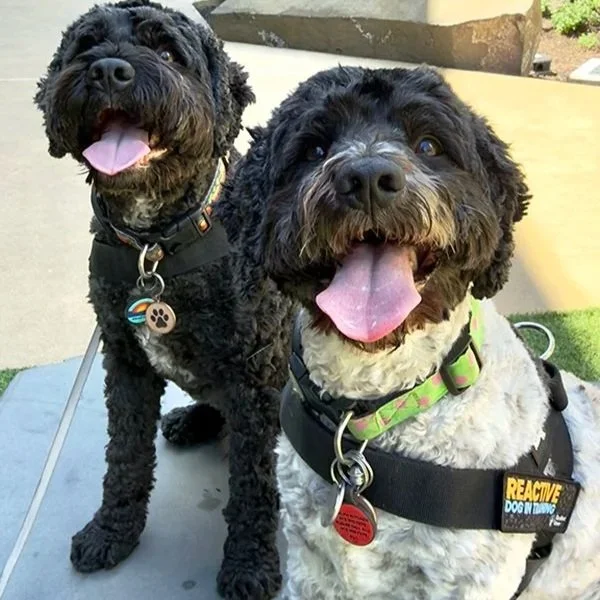
Conversation can feel like a strange word when one participant cannot speak in sentences. But spend a few minutes paying attention, and you may notice how much the two of you already communicate without words. Your dog watches your movements and learns which ones matter. You have probably been doing the same thing with your dog without thinking much about it. Try a small experiment. Shift forward in your chair as though you are about to stand, then watch your dog. Did they lift their head? Did an ear turn toward you? The tiny change in your posture was communication in dog language.

Your Puppy May Already Be Asking to Go Outside. Are You Hearing Them?
A puppy who has been resting quietly may suddenly get up and seek your attention. They may start wandering around the room, sniff the floor, or move toward a familiar exit. Any one of those behaviors could mean several things, which makes the change itself worth noticing. Context helps…think about when they last went outside and what they have been doing since then. A puppy who wakes from a nap and starts moving around deserves different consideration than a puppy who has been playing with you for five minutes and wanders away.