“I’m great with dogs,” your friend says, smiling as they reach down to pet your pup on the head. A moment later, your dog barks, your friend yells in pain, and their hand jerks back, now with a small puncture wound. Thankfully, the injury is minor, but everyone is shaken…including the dog. Your friend thought they were offering affection. Your dog had been communicating something quite different, long before the bite.
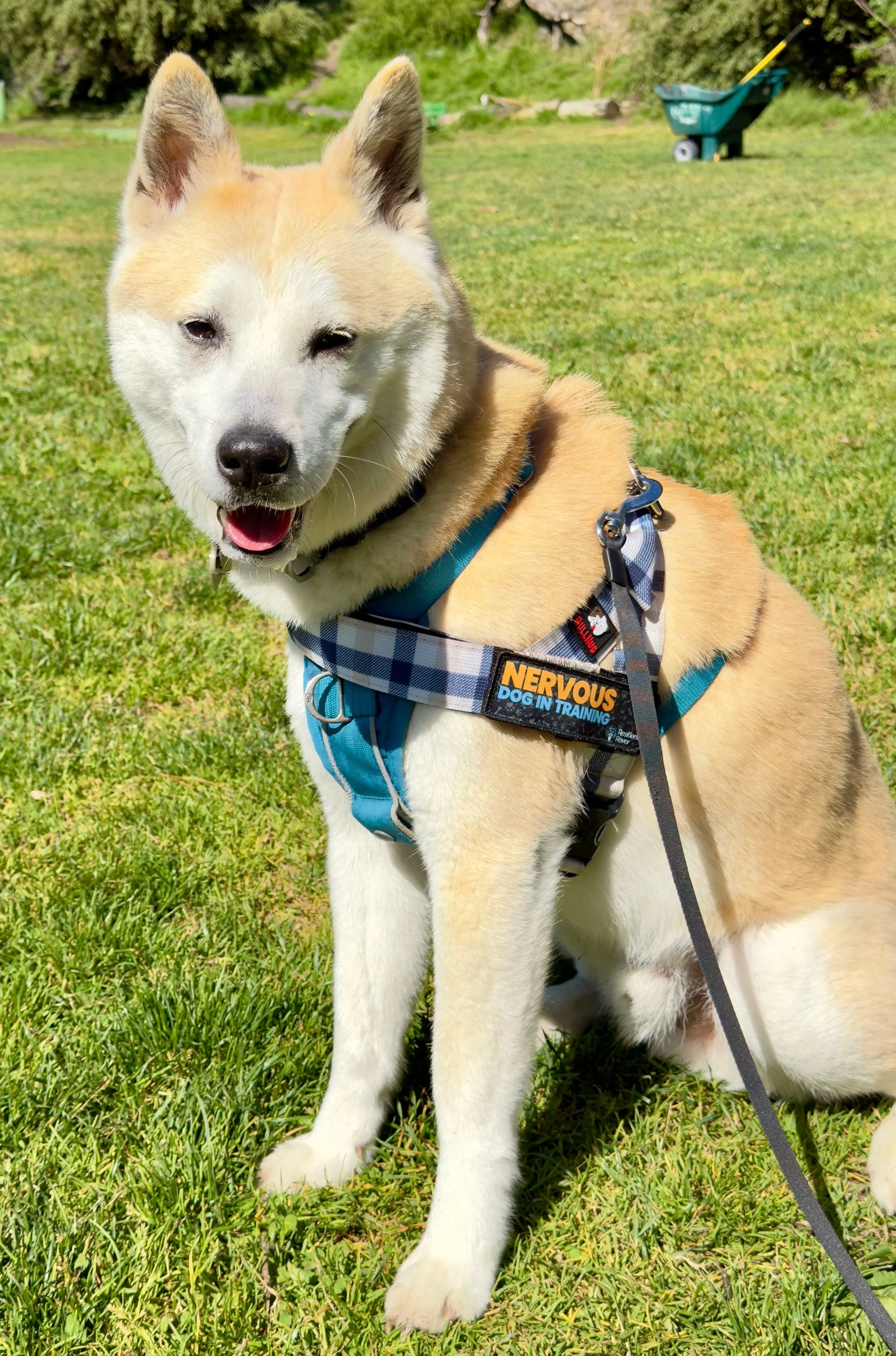
Looking back, there were signs all along. Your dog licked their lips when the friend approached. They turned their head as the hand reached in. Their body became still. They shifted their weight backward, creating a little more distance. Your friend kept going, and so did your dog.
The bite got everyone's attention. But the quieter communication that came before it, is what really deserves the attention. Dogs have many ways to communicate, when it comes to physical contact. But curiosity and investigation does not mean the same thing as “I’m comfortable being touched right now.”
The dog might approach, lean in, sniff. But then they might pause, turn away, or move out of reach. Each choice offers information about their comfort and willingness, especially when we consider the surrounding context. Learning to recognize those choices can help prevent frightening interactions. It also gives your dog something valuable: the experience of being heard before they need to communicate more intensely. Every interaction gets logged into the dog’s memory…the more positive interactions they have, the better they will be in the next one.
Curiosity does not equal “pet me”
Dogs use their noses to gather information about the people they meet. They may approach someone because a scent catches their interest, because they recognize the person, or because they want to understand what's happening around them. Getting closer allows your dog to investigate while deciding how they feel about the interaction.
Think about meeting someone new. You might approach to say hello, learn a little about them, and decide whether you'd like to spend more time together. A handshake or hug is a separate choice, one that depends on how comfortable you feel. Your dog makes similar distinctions. Their curiosity may bring them close enough to sniff someone's hand, while their comfort with physical contact depends on what they experience as the interaction unfolds.
When your dog approaches someone, invite them to relax their hands and body, and give the dog time to investigate. Watch what happens next. Does your dog remain nearby with a loose, soft body? Does the tail go up, down, or stay parallel with the spine? What are the ears doing? What happens if the person shifts their weight? Does the dog flinch? Do they lean closer and seek contact, or turn away and create more distance? All of these small observations help you understand what your dog feels and needs.
If your dog appears comfortable and continues to actively seek contact, offer a simple hand gesture that communicates “I’d like to pet you,” and watch what happens. If they stay engaged and loose, slowly move in for 3 seconds of gentle petting and then withdraw your hand. Notice their body during the 3 seconds, and after. Do they look you in the eyes, move closer for more, or back away? Responding to those choices helps your dog learn that people will listen, creating opportunities for safer, more comfortable interactions in the future.
What does your dog say when they’re liking it?
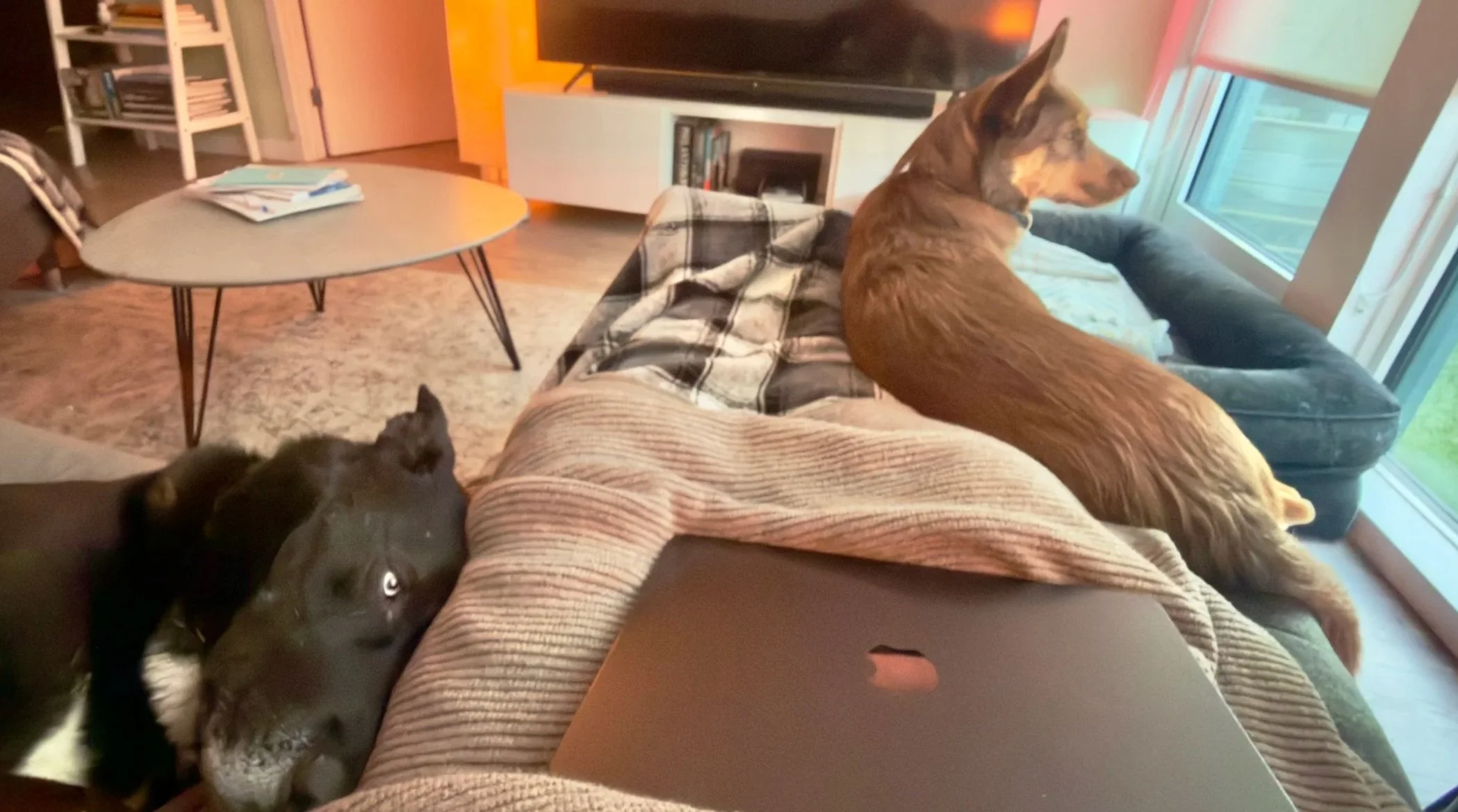
Some dogs make their enjoyment wonderfully clear. They lean into the hand, shift their body to invite contact in a favorite spot, or move closer when the petting stops. Others express their enjoyment more quietly, remaining nearby with a loose body, soft facial expression, and comfortable, fluid movements.
Pay attention to what changes during those three seconds of contact. Does your dog relax further, lean toward the touch, or adjust their position to keep the interaction going? When you withdraw your hand, do they move closer or actively seek another round? These choices help you recognize their willingness to continue.
Consider the whole dog and the surrounding context. A wagging tail may accompany an enjoyable interaction, but its height, speed, and movement mean more when you observe them alongside your dog's posture, facial expression, and behavior. A dog who is wagging while holding their body stiffly may be experiencing something quite different from a dog whose entire body moves loosely as they approach.
As you practice touching and reading at the same time, you'll begin to recognize your dog's individual preferences. You may discover that they enjoy gentle contact along their shoulders, prefer a chest rub to a hand reaching over their head, or appreciate shorter interactions when the environment is busy. Those discoveries help you offer affection in ways your dog can comfortably choose to enjoy.
How dogs say “give me space”
Your dog may begin an interaction feeling comfortable, yet actually become less willing as it continues. Don’t take it personally…it’s not you, it’s the dog. Sometimes the change happens when a hand reaches toward a sensitive area, someone leans over, the petting lasts longer than they prefer, or the petting feels like being restrained. Watching the body closely during the interaction gives you an opportunity to respond while your dog is still communicating quietly.
The Canine Ladder of Aggression, originally developed by veterinary behaviorist Dr. Kendal Shepherd, illustrates how dogs may communicate increasing discomfort, moving from subtle signals to more urgent defensive responses. Think of it as a guide to recognizing when your dog needs more space, with the quieter signals near the bottom and the louder ones toward the top.
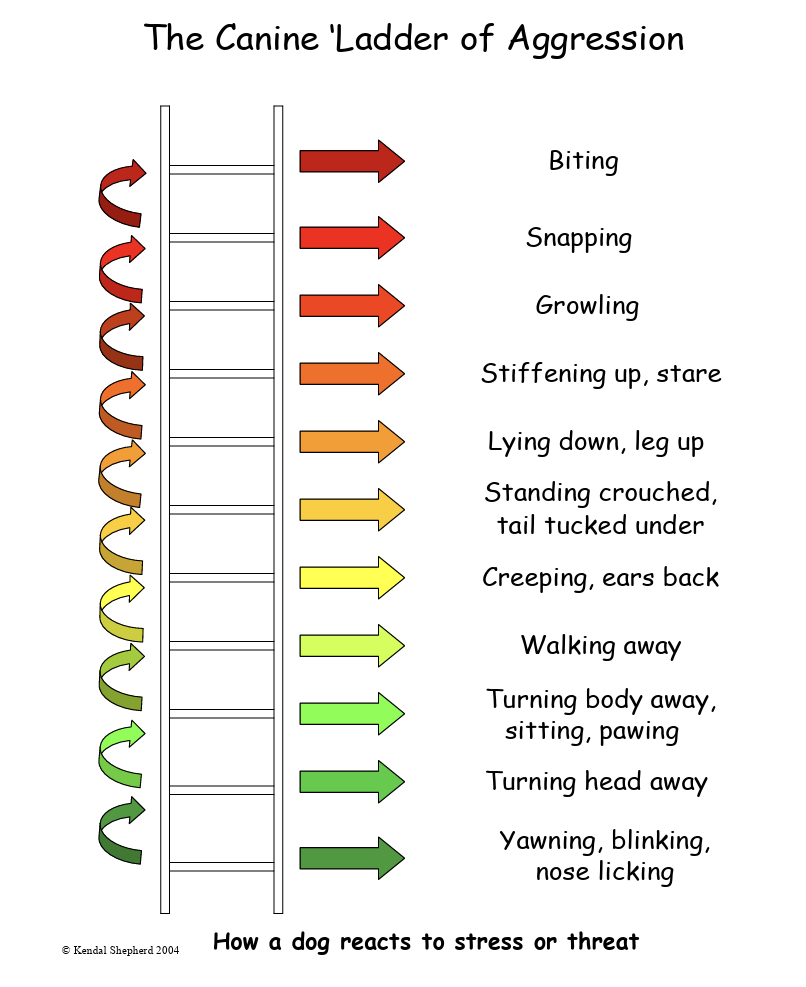
As discomfort increases, dogs exhibit signs like these, in order of increasing stress:
Blink, yawn, or lick their lips or nose
Avoid eye contact or turn their head away
Turn their body away, sit down, or begin scratching
Walk away or redirect their attention toward sniffing
Creep away, lower their body, or lift a paw
Crouch, tuck their tail, or become visibly smaller
Become stiff, stare intensely, or raise their hackles
Growl, bark, lunge, or bolt away
Snap toward the person
Bite
Each of these behaviors gains meaning from its surrounding context. A dog may yawn because they're tired, or sniff the ground because they've found an interesting scent. It’s key to notice when a behavior appears, what just happened immediately beforehand, and what happens next.
The ladder also helps us understand why early communication deserves attention. Some dogs move very quickly up the ladder. Others skip steps and escalate with little to no warning. Others repeat certain behaviors, without moving up. The ladder illustrates a prototype, but every dog is an individual
Think back to the friend in our opening story. Your dog licked their lips, turned their head, became still, and shifted backward as the hand approached. Those changes were low rungs on the ladder, and each offered opportunities to pause and give the dog space before the interaction escalated to a bite.
Right away when your dog says they are becoming uncomfortable, give them space, allow them to move away. End the interaction and see what they do next. Responding to their communication early helps make future encounters more predictable for them, and helps them learn they will be heard through their quieter signals, rather than having to escalate.
The petting pause: Watch what happens next
You've offered three seconds of gentle petting, withdrawn your hand, and given your dog room to respond. Now watch for the information your dog gives you.
Think of the pause as a nonverbal conversation. You communicate through touch, then by stopping. Your dog communicates through their response, and together you decide if the interaction continues. Here are a few common situations you might encounter.
Your dog leans in for more. You withdraw your hand, and your dog immediately moves closer, nudges your hand, or shifts their body toward you. Their body remains loose, and they appear comfortable and engaged. “More pets please.”
Your dog stays nearby but does nothing. You stop petting, and your dog remains beside you. They seem relaxed, but they make no effort to move closer or request more contact. “I feel good right now.”
Your dog turns away or moves off. You pause, and your dog turns their head, steps backward, or walks toward another part of the room. Perhaps they enjoyed those first few seconds and have simply had enough. “OK, next.”
Your dog becomes still or tense during petting. You begin petting, and your dog's body stiffens. Their mouth closes, their movements stop, or they shift their weight away from your hand. “I’m not feeling it...please stop.”
Your dog returns after walking away. Your dog moves away, explores the room, and then approaches you again. They sniff your hand and remain nearby, perhaps looking up at you. “Oh hi there, I’m back. I could go for some more pets if you want?”
The value of the communication from respecting the response. Each time you observe and respond, you learn a little more about your dog's preferences while giving them greater choice in how they interact with people.
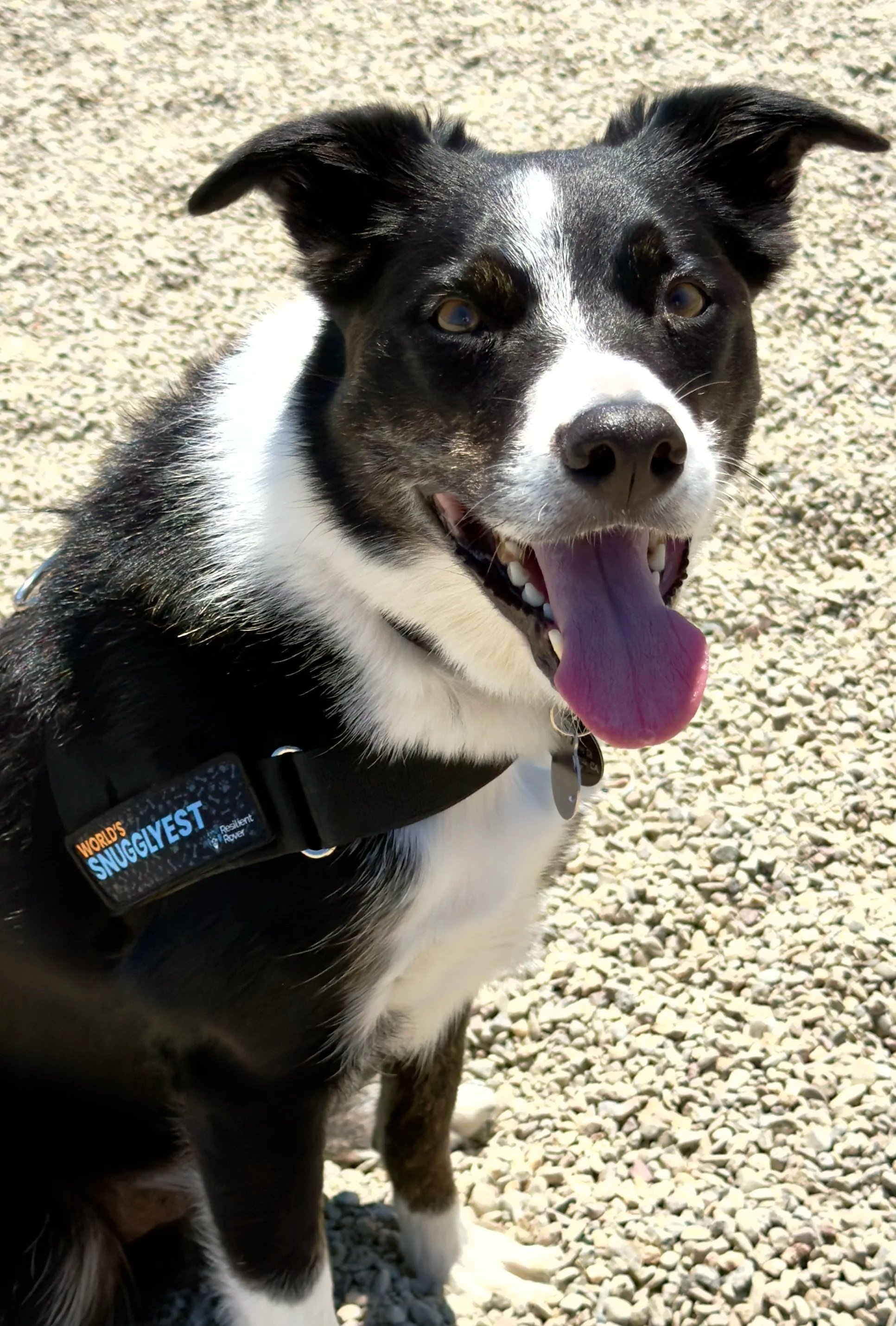
When the answer feels unclear
Sometimes conflicting signals leave you wondering what to do. The dog may stay close while turning head and looking away. They might wag their tail while holding a stiff body. Or maybe they approach enthusiastically but lip-lick when the human makes eye contact. These mixed signals invite closer observation. Consider the whole dog, what happened immediately before, and whether their body becomes more comfortable or more tense as the interaction unfolds.
Anytime you're uncertain, always default to giving them some space and time. Relax your hands, shift your body slightly away, or simply wait and see what they do next. Your dog may move closer, settle nearby, or decide to explore something else.
With practice, you'll become more familiar with your dog's individual communication. You'll recognize the difference between asking for another round of petting vs. just being comfortable nearby. That understanding creates something valuable for both of you. Your dog gains more opportunities to make choices that feel comfortable, and you gain confidence in knowing how to respond. And most importantly, the dog learns that humans listen to them, and they become less anxious around humans because of it.
Help other people listen, too
Once you begin recognizing your dog's communication, you can help the people around you learn to see it, too. Friends, family, and neighborhood dog lovers may approach with the best intentions while missing the quieter requests your dog is making.
You can guide these moments with a few simple invitations. “Let's give them a chance to come to you.” “Watch what happens when you stop petting.” “See how they're turning away? Let's give them some space.” You can also help your dog by creating an environment where their choices are respected. Give them room to approach or move away, offer a quiet place to settle when company visits, and encourage guests to let your dog decide how much interaction feels comfortable. Each thoughtful response creates another opportunity for your dog to experience people as safe and predictable.
At PupPossible, We Train People to Speak Dog. That means learning to observe behavior, understand what it means in context, and respond with empathy. As more people out there learn to listen closely, more dogs out there will feel safe and understood. And more interactions will go well, without any ladder-climbing.
Something as simple as pausing during petting can change the conversation between you and your dog. You begin to recognize their preferences, respect their choices, and build trust through everyday interactions. That’s what makes more possible for you and your dog.