Trust IS the Process: Helping a Shy Dog Find Their Confidence
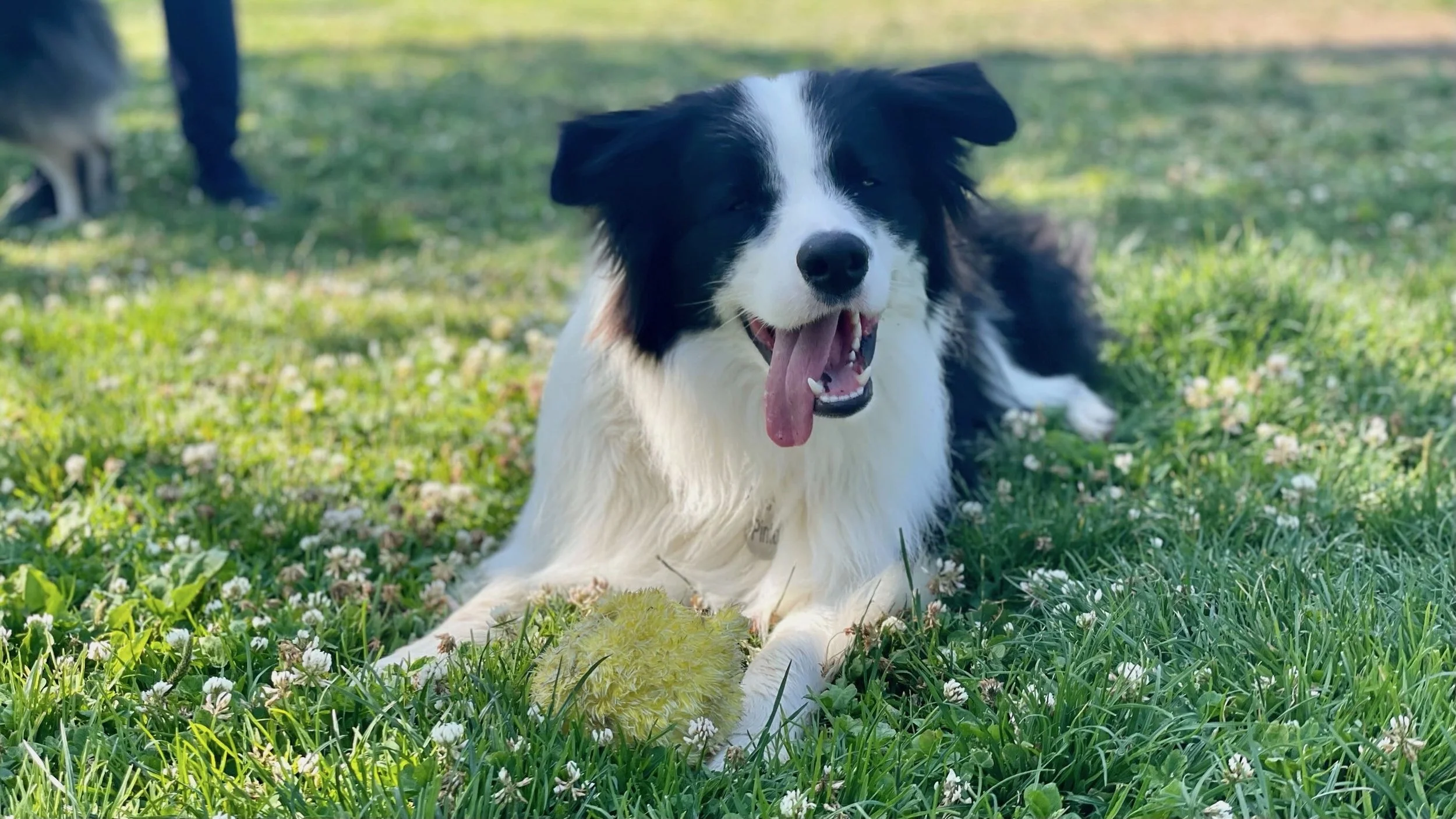
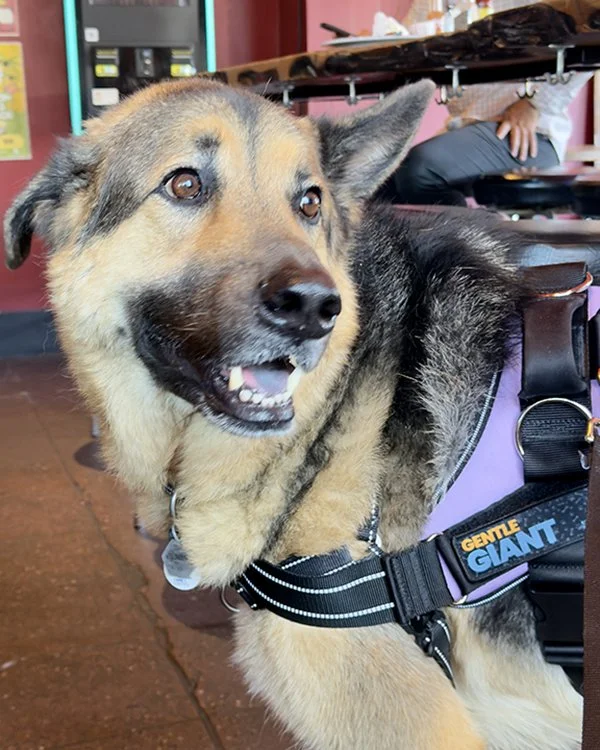
When Dude first came to live with me, city life was a lot for him. He had come from the country, and suddenly people and dogs were much closer. Experiences that felt ordinary to me could feel enormous to him. I quickly learned that helping him required me to understand the world from where he stood.
Today, Dude thrives in the city and has become quite the social butterfly. We reached that point gradually. I learned to notice when something felt difficult for him, and Dude learned that I would pay attention. When he needed space, I could help him find it. When curiosity started to win, I could give him room to explore.
Somewhere inside all those ordinary exchanges, we built trust. At PupPossible™, we have a mantra for that experience: Trust IS the process. Trust grows as your dog discovers that their communication matters to you.
Learn How Your Dog Says “I’m Not Sure”
A dog can communicate uncertainty long before the message becomes obvious. Maybe their body gets lower when someone approaches. Their ears might move back as they watch what happens next. These changes can be subtle, especially when you are focused on the person or dog approaching. Start by looking for changes rather than trying to memorize a dictionary of dog body language. What did your dog look like a moment ago? What changed in the environment? Those two questions can help you become more observant without asking you to know exactly what your dog feels.
Imagine your dog pauses when a stranger approaches. You notice the hesitation and create a little more space. The person passes, and your dog's body begins to soften. From your perspective, the encounter may seem uneventful. Your dog may have learned quite a lot from it. They communicated that something felt difficult, and you responded. Nothing forced them deeper into an experience they were struggling to process. Instead, they got useful information about what happens when they communicate with you.
That history matters because the next uncertain moment does not happen in isolation. Your dog brings previous experiences with them, including their experiences with you.
Listen While the Message Is Quiet
As you get better at observing your dog, you may start catching communication earlier. A small shift in posture may suddenly become familiar. You may recognize the moment when curiosity starts giving way to discomfort.
Earlier communication gives you more options. You might pause where you are and let your dog gather information. In another situation, creating more distance may help them feel comfortable enough to observe. Your response depends on the dog and the context. When uncertainty becomes more intense, the communication often becomes easier to see. A dog may try hard to move away. Some dogs may begin barking when the situation feels too difficult. These behaviors tell you that your dog needs something from the interaction to change.
This is where empathy becomes practical. You can ask what the situation looks like from your dog's perspective and use that information to guide your next choice. A person who feels friendly to you may still feel unfamiliar to your dog. A busy environment you navigate every day may ask your dog to process more than they can comfortably manage right now. If your dog regularly shows intense fear or begins using defensive behavior, bring in qualified professional support. A skilled trainer or behavior professional can help you read those situations more carefully. They can also help you build a plan around your individual dog.
Give Your Dog Room to Answer
Confidence grows through experience, and your dog can participate in deciding what those experiences look like.
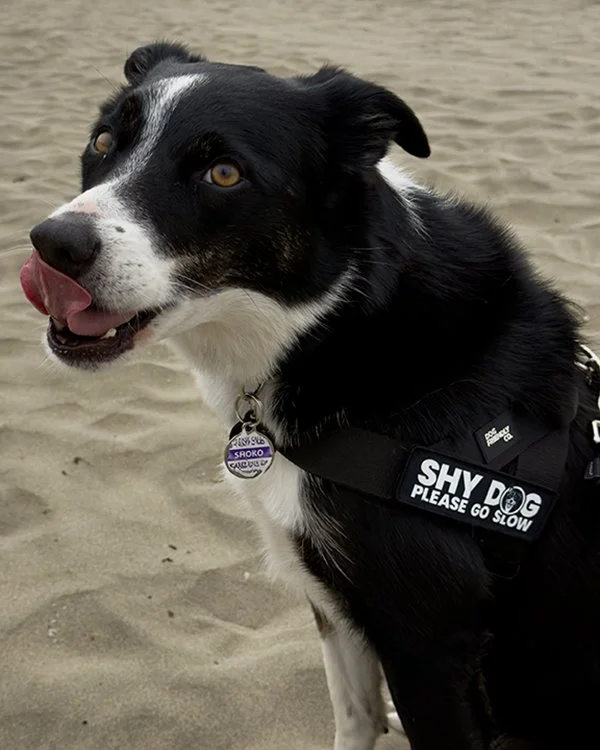
Suppose your dog feels uncertain about someone new. Give them enough space to observe and see what they choose. They may stay exactly where they are for a while. They may eventually decide to move closer. Either choice gives you information. You can watch how your dog's body changes as the situation unfolds and use that information to decide what comes next. Their willingness becomes part of the process.
This can require patience because we often know how much more of the world we want our dogs to enjoy. You may picture relaxed visits with friends or adventures in new places. Those possibilities can still guide you, but your dog gets to show you the pace at which they can comfortably explore them.
Sometimes progress means moving forward. Sometimes a successful experience ends right where your dog feels comfortable. When you honor both possibilities, your dog gets repeated opportunities to learn that you will listen to their answer.
Your Dog Will Mirror Your Own Energy as Well
When your dog encounters something unfamiliar, they gather information about it. At the same time, they gather information about you. Think about a dog who hesitates near something unfamiliar and looks toward their person. Their person notices and waits. The moment passes quietly, yet something useful has happened between them.
Now imagine similar exchanges unfolding over weeks. Your dog develops a history of being heard. They begin to learn what your guidance feels like when something gets difficult. Your presence can become part of the information they use to navigate uncertainty. That changes your role in the experience. You become someone your dog can check in with while they decide what to do. They still have their own feelings about the world, but they have a partner who listens.
Trust IS the process because trust develops inside these moments. It grows through the repeated experience of communication followed by a thoughtful response. Over time, your dog can begin to predict that you will help them navigate the world with clarity and care.
Notice the Choices That Used to Be Hard
Progress with a cautious dog can be wonderfully subtle. If you only watch for dramatic milestones, you can miss much of the change happening in front of you.
A dog who usually leaves the room when visitors arrive may choose to stay. That choice deserves your attention. It can tell you that something about the experience feels more manageable than it did before.
Later, you may notice a different kind of change. Your dog recovers more quickly after something surprises them. That moment matters too because confidence often appears in how a dog moves through an experience, rather than whether the difficult moment happened at all.
There is no need to turn every success into a bigger challenge. Let your dog have the experience they just chose. Give that experience time to become part of what they know about themselves and about you.
Weeks later, you may look back and realize how much has changed. The progress can be difficult to see while you are living inside it. Small choices accumulate, and the world that once felt very limited can gradually begin to expand.
Trust Can Open More of the World
For Dude and me, that process changed what city life could look like. His comfort around people grew. Places that once asked a lot of him became easier to navigate. Eventually, we could share experiences that would have felt far out of reach when he first arrived.
Your dog's path will have its own shape, and the possibilities should belong to the two of you. Greater trust might help your dog feel more comfortable on neighborhood walks. It might create room for them to participate more fully when someone visits your home.
Those larger changes begin in much smaller moments. You notice your dog's communication and get curious about what it means. Your response then becomes part of what your dog learns about facing the next uncertain situation.
This is part of what we mean when we say We Train People to Speak Dog. At PupPossible, we help you understand the dog in front of you so you can respond with greater clarity. As communication becomes clearer, you can make choices together that build trust.
Trust gives you something solid to build from. Your dog can explore more of the world knowing that their voice remains part of the experience. You can guide them with a better understanding of what they need from you. Together, you can discover which possibilities feel right for the life you share.
If you want help understanding what your dog communicates when the world feels difficult, start a conversation with PupPossible. We can help you learn what to notice and find practical ways to support the dog beside you.