Tips for Conversational Walking: What If Your Daily Walks Could Become Real Conversations?
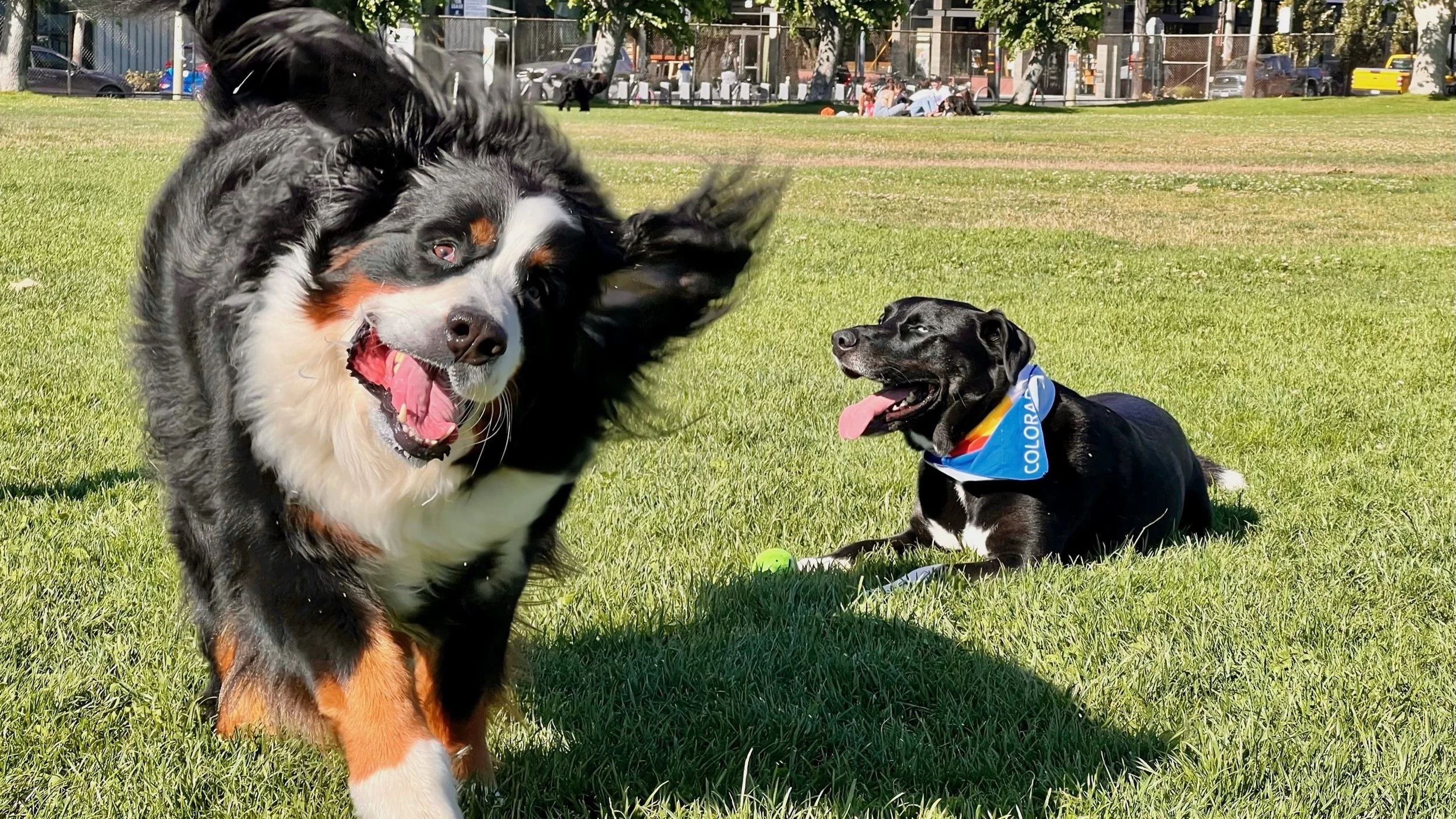
Most of us leave the house with a picture of how a dog walk should go. We have somewhere to get to and a pace we would like to keep. Perhaps we also carry a quiet hope for a little less pulling today. Our dogs step outside with a different perspective. They enter a world full of smells we cannot detect and sounds we barely notice. Even the same neighborhood can contain something new every morning when you experience it through a dog's senses.
That difference gives us something interesting to work with. A walk can become a place where you learn what catches your dog's attention, while your dog learns how to read you. At PupPossible™, we call this Conversational Walking. The idea starts with participation. Both ends of the leash get opportunities to communicate and make choices. Sometimes you lead the conversation. Sometimes your dog does. With practice, you begin developing a shared rhythm for moving through the world together.
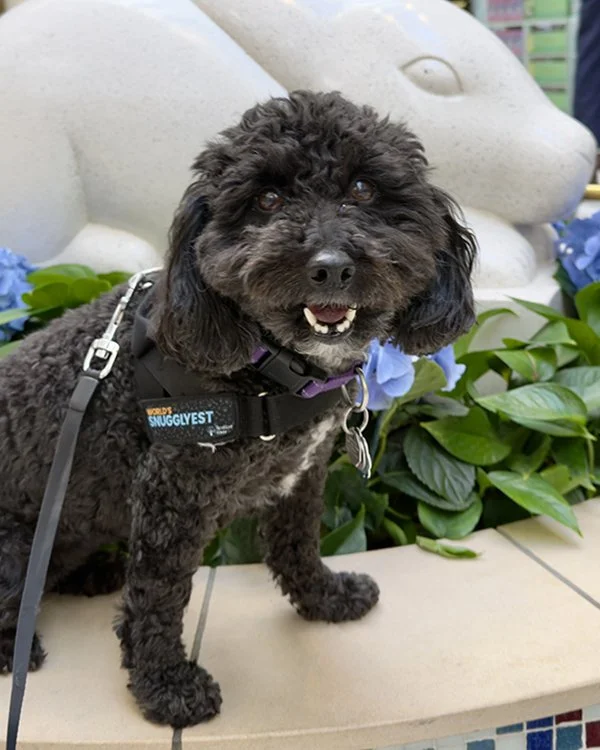
You and Your Dog Are Already Talking
Conversation can feel like a strange word when one participant cannot speak in sentences. Spend a few minutes paying attention at home and you may notice how much the two of you already communicate without words. Your dog watches your movements and learns which ones matter. You have probably been doing the same thing with your dog without thinking much about it.
Try a small experiment while your dog relaxes nearby. Shift forward in your chair as though you are about to stand, then watch your dog. Did they lift their head? Did an ear turn toward you? You made a tiny change in your body, yet your dog may already be wondering what happens next. Later, try setting your phone down or closing your laptop. Maybe your dog gets up before you do. Another time, let out a long, heavy sigh and notice their response. These movements have no formal meaning, but repeated experience can give them meaning between you and your dog.
Think about how that happens. You probably never taught your dog that putting on a particular pair of shoes predicts a walk. They simply watched the pattern unfold enough times to make the connection. Your dog has been studying you. Now you can return the favor.
Give their small changes the same attention they give yours. Notice when their breathing changes. Watch what happens when their head turns toward something across the room. A closed mouth after several minutes of relaxed panting may be worth noticing, especially when something in the environment changed at the same time. You do not need to know exactly what every movement means. Start with a simpler question: What changed? Then consider what was happening around your dog at that moment. That habit of observing before interpreting gives you a much better place to begin.
Take the Conversation Outside
Clip on the leash and the same conversation comes with you. The difference comes from how much more your dog has to process once you step outside.You may see the sidewalk you walked yesterday. Your dog may smell another dog who passed through hours ago. You might barely register a sound behind a fence while your dog's attention shifts toward it immediately. For your dog, the familiar route can still contain plenty of new information.
This gives you a chance to practice noticing. Maybe your dog's pace suddenly slows. Perhaps their loose body becomes more tense as they look toward something ahead. Instead of focusing immediately on what you want them to do next, take a moment to observe what changed.
One behavior rarely gives you the whole answer. A dog who slows down could be interested in a smell, while another dog may be uncertain about something ahead. Context helps you tell those situations apart. Speaking dog asks us to become good observers before we become interpreters. The better you get at seeing the whole conversation, the more useful your response can become.
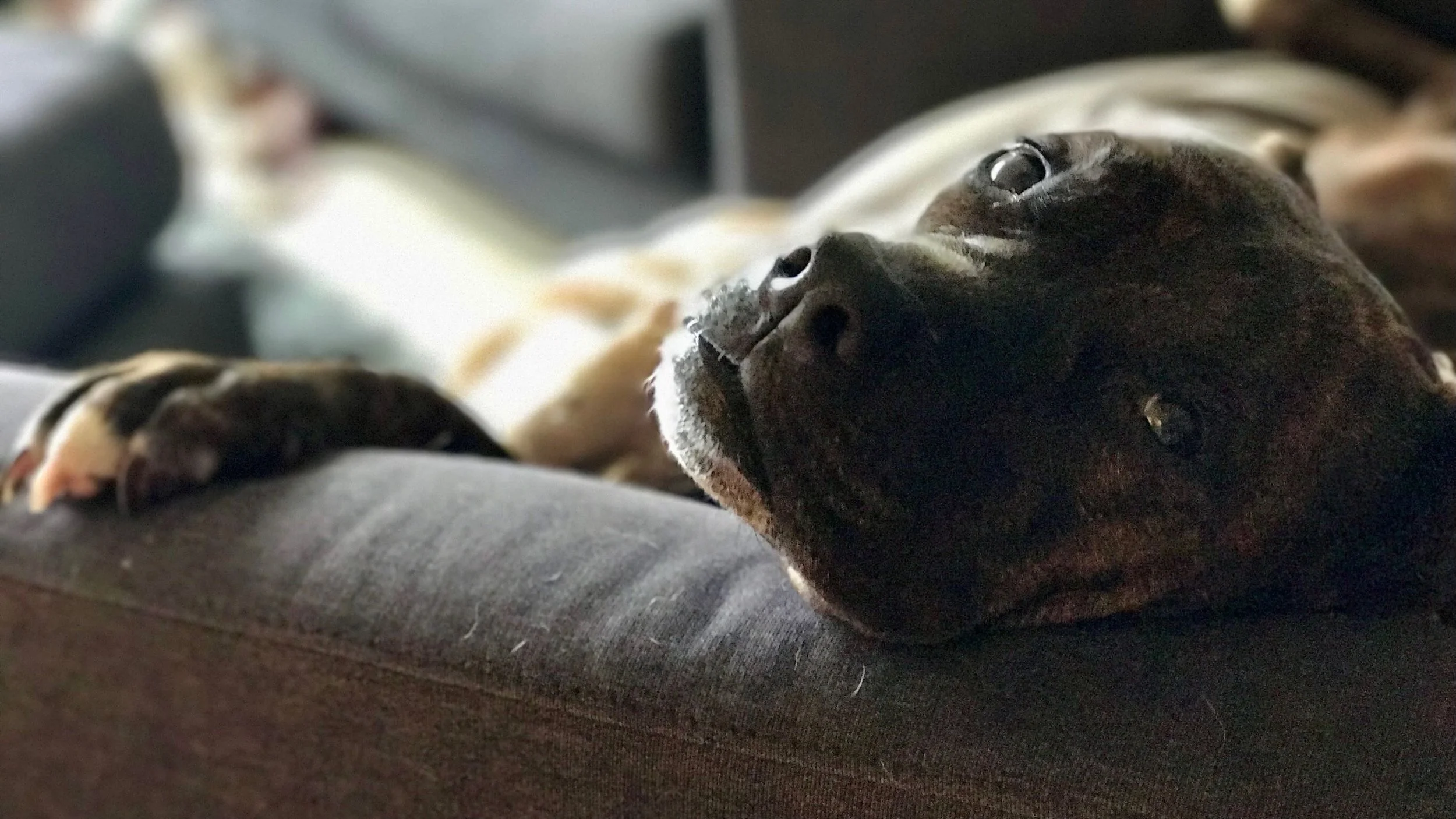
Join a Topic Your Dog Chose
Imagine your dog stops beside a bush and becomes deeply interested in it. You have passed that bush hundreds of times without giving it much thought. Your dog has apparently discovered today's top story.
Give them a moment to investigate. You can even ask, "What did you find?" and look toward the same place. You may never know what they smell. Your willingness to participate still matters because you are acknowledging something that matters to your dog. Sniffing gives dogs an important way to gather information about their environment. Making room for that exploration lets your dog's interests become part of the walk. It also gives you a chance to learn what captures their attention and how they behave when they find it. After a little exploration, invite your dog to move with you. See what happens. When they choose to join you, make that choice worthwhile.
This back and forth sits at the heart of Conversational Walking. Your dog gets opportunities to explore what matters to them, and you still have a voice in where you go together.
Your Side of the Conversation Matters, Too
Partnership does not require you to follow your dog everywhere they would like to go. You have information they need. You know when it is time to cross the street. You also know why the squirrel on the other side does not get to choose today's route.
Clear boundaries have a place in a collaborative walk. The difference comes from how you communicate them. When your dog regularly gets opportunities to make choices, your guidance becomes another part of the conversation rather than the entire conversation. Pay attention to what your own body communicates. If you want to change direction, begin moving that way and invite your dog to join you. Give them a chance to notice what you are doing. You may be surprised by how much information your movement provides before you say anything at all. The leash communicates, too. A loose leash gives your dog room to make choices and gives you room to observe them. You can see what they approach and what makes them hesitate. You may also notice when they choose to follow your movement without needing much help from the leash.
Start Noticing Check-Ins
One of my favorite moments on a walk happens when a dog looks back at their person without being prompted. They may glance over while exploring, then return to whatever caught their interest. Another dog might finish sniffing and turn toward their person before deciding where to go next. Think about everything competing for your dog's attention outside. The environment offers smells and movement everywhere they turn. In the middle of all that information, your dog chose to include you. That check-in deserves your attention. You might respond with a treat. You could also make the next interesting sniff available by moving toward it together. The right response depends on what your dog values in that moment.
Over time, these exchanges can develop into a comfortable rhythm. Your dog explores the environment and reconnects with you along the way. You remain part of the adventure without requiring their constant attention. This kind of connection can feel very different from spending the whole walk trying to keep your dog in one position. You start noticing the moments when your dog voluntarily chooses you. Those choices give you something meaningful to build on.
Learn When to Lead and When to Listen
Some parts of the walk can follow your dog's curiosity. Other moments call for your guidance. Conversational Walking gives both a place.
That perspective can become especially useful when something gets difficult. Suppose your dog begins pulling toward something ahead. The tension on the leash tells you what happened, but it leaves an important question unanswered: Why does your dog want to go that way?
Maybe something interesting has captured their attention. Maybe they want more distance from something nearby. Those situations can look similar at the end of a leash while asking for very different responses from you. The same curiosity can help when your dog stops moving. Before deciding what should happen next, look at your dog and the environment around them. Notice where their attention goes. Think about what changed just before they stopped.
You will not always know the answer, and certainty does not have to be the goal. Better observation gives you better information. Better information gives you more thoughtful choices about how to respond. That process takes practice. It also gives you a much richer way to understand your dog than simply sorting behavior into things you want more of and things you want less of.
Bring Something Worth Talking About
Your dog has favorite topics, just like you do. Food may matter a great deal to one dog, while another dog would happily trade your finest treat for another thirty seconds with a fascinating smell. Knowing what your dog values gives you more ways to communicate. Bring something worthwhile on your walks. A few treats can make a check-in valuable, while access to an interesting part of the environment can sometimes do the same job. This changes your role on the walk. You become more than the person holding the leash and choosing the route. You can make requests that have meaning to your dog because you understand what matters to them. You can also listen when their response tells you that the situation has become difficult.
That knowledge becomes more important as your adventures grow. A quiet neighborhood asks something different of your dog than a busy patio. Learning how your dog communicates in easier environments gives you a foundation for exploring more challenging ones together.
See Where the Conversation Can Take You
Conversational Walking begins with observation, but the possibility reaches much farther. As you understand your dog's communication more clearly, you have more information for deciding where to go and when your dog needs support. You also start seeing opportunities that were easy to miss when the walk focused mainly on getting around the block. Familiar routes can become shared adventures. You may find yourself following your dog's curiosity down a street you usually pass, or stopping somewhere because your dog noticed something interesting. Those small choices can make the walk richer for both of you.
You may also begin noticing your dog's communication differently away from the leash. The small shift in breathing you learned to notice outside happens at home, too. The glance that became meaningful on a walk may show up when visitors arrive. Once you begin looking for communication, your dog gives you plenty to observe. This is part of what we mean when we say We Train People to Speak Dog. At PupPossible, we help you read the dog in front of you and understand what their behavior may be communicating. From there, you can learn how to respond in ways that support partnership and trust. Every dog-human team develops its own conversation. Learning yours can create clearer walks today and give you more confidence about where you might go tomorrow. The neighborhood becomes a place to practice, and the possibilities can extend far beyond it.
If you are curious about what your dog has been saying, watch one walk differently this week. Pick a few moments when your dog's behavior changes and get curious about what happened around them. When you want help turning those observations into a conversation that works for both of you, start a conversation with PupPossible.