Give Them Something Better to Do: Using Differential Reinforcement With Your Dog (Part 1)
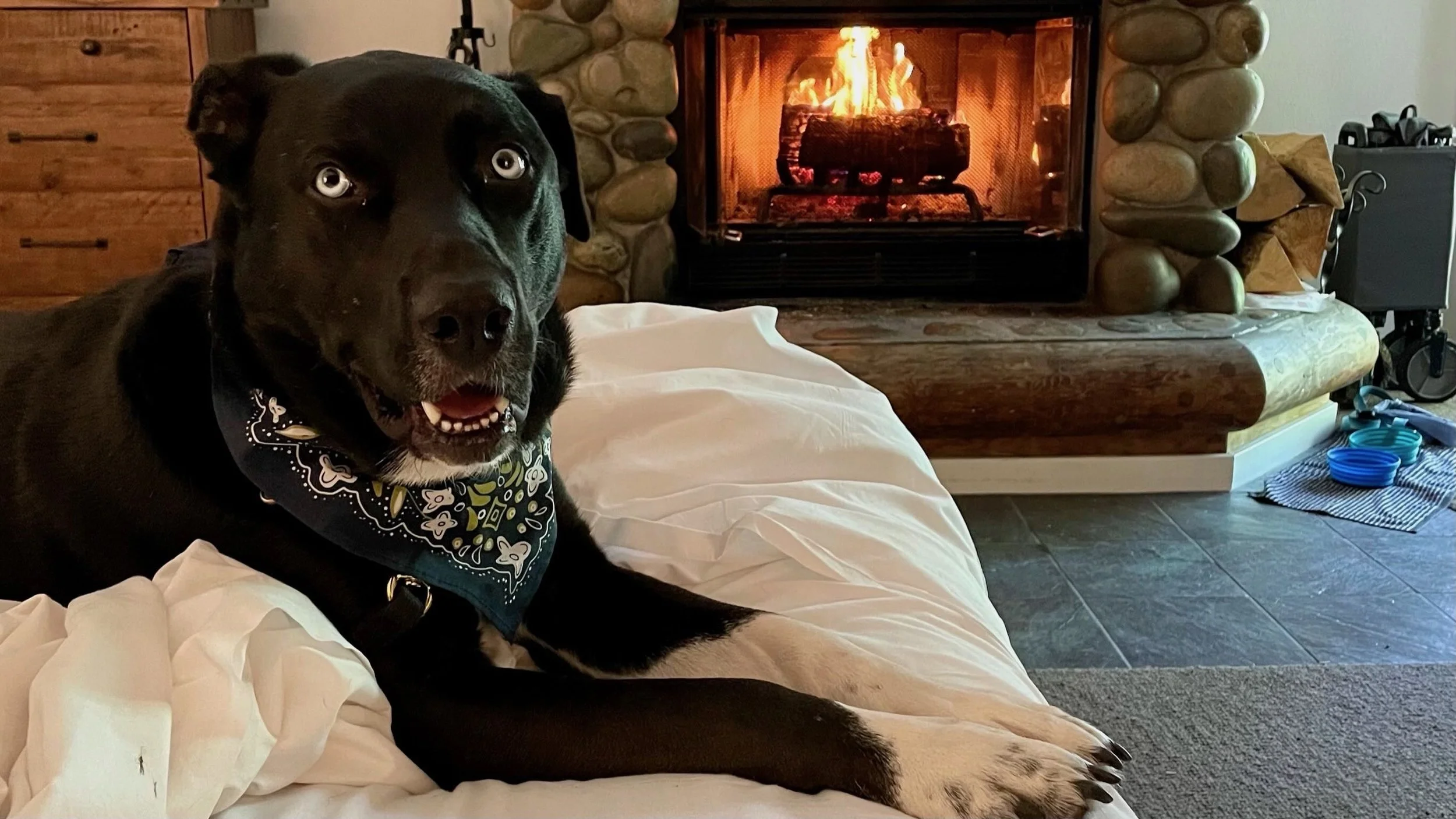
Someone comes to the door. Your dog hears the knock and starts barking. By the time you reach the entryway, they are fully invested in announcing the arrival while you are trying to welcome your guest.
It is easy to focus on the barking because that is the behavior demanding your attention. Training becomes more useful when you ask a different question: What could my dog do here instead? That question gives you somewhere to go.
One way we answer it at PupPossible™ comes from an established training concept called differential reinforcement. The name sounds technical, but the basic idea is straightforward. You selectively reinforce the behavior you want your dog to practice. Over time, that behavior has a reason to happen more often.
First, Listen to the Barking
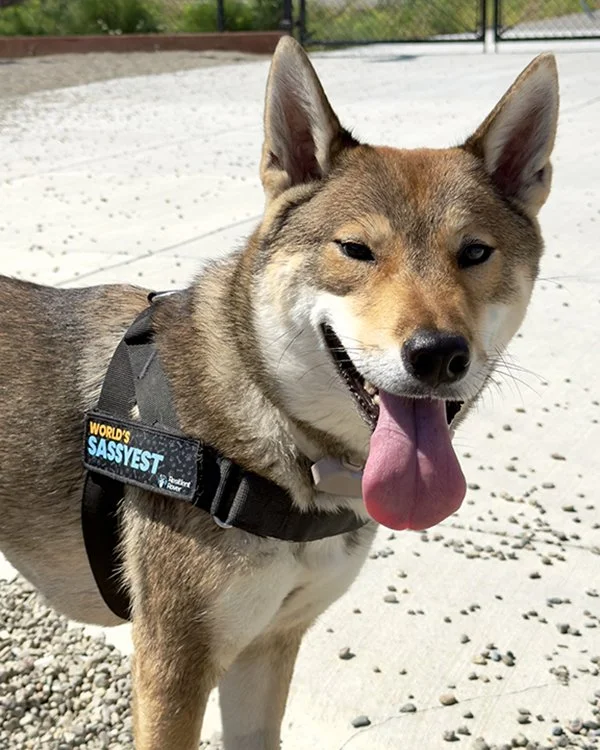
Before deciding what you want your dog to do, spend a moment observing what they are already communicating. Barking at the door can happen for different reasons. Your dog might feel excited by an arrival. Another dog may feel uncertain about someone entering their space. Look beyond the sound itself. Notice what your dog's body does when someone approaches the door. Then watch what happens as the person enters.
Context helps you make sense of what you see. A dog who settles quickly after greeting someone may need different support from a dog who keeps their distance after the guest comes inside. Those differences matter when you decide what you will ask your dog to do.
You do not need perfect certainty about your dog's emotional state before you begin. Observation gives you a useful starting point, and your dog's response will give you more information as you practice. This is part of what we mean when we say We Train People to Speak Dog. Good training starts with listening. Once you understand more about the conversation your dog is already having with you, you can respond more clearly.
What Differential Reinforcement Does
Reinforcement increases the likelihood that a behavior will happen again. If your dog sits and that behavior earns something they value, sitting has a reason to show up more often. Differential reinforcement adds another layer. You choose which behavior earns reinforcement based on what you want your dog to learn. Instead of treating every possible response the same way, your reinforcement makes one choice more worthwhile.
This becomes especially useful when a familiar situation keeps producing behavior that makes daily life harder. Rather than focusing all your attention on stopping that behavior, you can teach your dog an alternative that works better for both of you. The original Resilient Rover article describes several forms of differential reinforcement. For this situation, we are going to focus on one: Differential Reinforcement of Incompatible Behavior, or DRI.
“Incompatible” has a specific meaning here. You choose a behavior your dog cannot perform at the same time as the behavior you want to change. A dog who remains on a mat away from the doorway cannot simultaneously rush toward the person entering. Now you have a concrete behavior to teach and reinforce.
Give Your Dog a Job They Can Actually Do
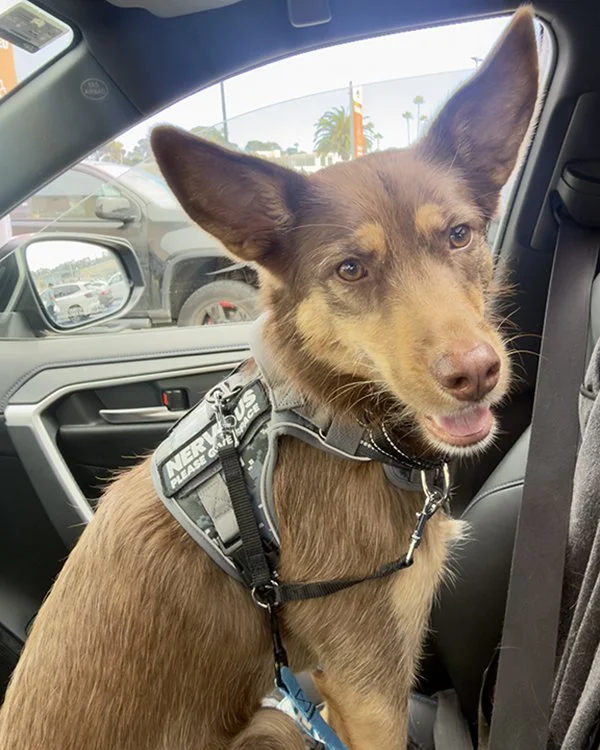
Let’s return to the dog barking at guests. You decide that you would like your dog to go to a mat when someone arrives. Before that mat can help during an exciting arrival, it needs meaning of its own. Your dog needs opportunities to discover that going there pays off. You can begin when the house feels quiet and the task feels easy.
Maybe your dog steps onto the mat. You reinforce that choice. As they begin to understand the game, you can build toward staying there comfortably for a little longer. The exact progression depends on what your dog already knows.
This early practice matters because a real visitor changes the difficulty dramatically. The sound at the door adds stimulation. A person entering the home adds even more. Asking your dog to learn the entire skill during that moment can make the task much harder than it needs to be. Teach the behavior where your dog can succeed first. Then you have a familiar skill to bring into more challenging situations.
Progress Isn’t Perfect
Once your dog understands the mat, you can begin connecting it to pieces of the arrival routine. You might practice moving toward the mat after a quiet knock. If your dog hears the sound and can still engage with you, you have something useful to reinforce.
Then one repetition falls apart. The knock is louder than expected, and your dog races toward the door. Another day, they hear the same sound and turn toward you before deciding what to do.
That variation belongs in learning. At PupPossible, we have a mantra for it: Progress Isn’t Perfect. Learning develops through experience, and each repetition gives you more information about what your dog can comfortably do.
This matters because progress can be easy to overlook when you expect the finished behavior too soon. Your dog may still bark, but perhaps they stop sooner. Later, you may notice that they hear the knock and hesitate before responding. That hesitation can tell you a new option is entering the picture. Your job is to notice those changes and use them. If your dog can hear the knock and choose the mat, practice there for a while. If the next step makes engagement difficult, adjust the setup and offer an easier repetition.
Progress also changes from day to day. Your dog may perform beautifully during one session and struggle during the next. Pay attention to what the harder repetition tells you, then decide what support will make the next attempt more manageable.
Make the New Behavior Fit the Dog in Front of You
A replacement behavior works best when your dog can genuinely perform it in that situation. That requires you to consider what the arrival feels like for them.
For a dog who becomes highly aroused when someone enters, a mat close to the doorway may ask too much. Moving the mat farther away could create enough space for your dog to think and engage. The behavior stays familiar while the environment makes success more available.
A dog who feels worried about visitors may need additional support around the arrival itself. Distance can help them observe without being pulled into an interaction before they are ready. Their willingness to participate gives you information about how manageable the experience feels.
This distinction matters because DRI gives you a training strategy, while observation tells you how to apply it thoughtfully. The same exercise can feel very different to two dogs. Keep reading your dog's response as you practice. Their behavior will help you decide whether to continue at the current level or adjust the situation.

Reinforce the Choice You Want to See Again
Differential reinforcement becomes powerful through repetition. Your dog encounters a familiar situation, makes a choice, and discovers what that choice makes possible.
With practice, the arrival routine can begin to look different. The knock starts to predict an opportunity to go to the mat. Reaching the mat creates an opportunity for reinforcement. Your dog gains a clearer path through a moment that once produced a very different response. You are learning during those repetitions too. You begin recognizing when your dog can handle another step. You also become quicker at noticing when the environment has made the task harder.
That shared learning helps you make better training decisions. Instead of measuring the session by whether every repetition looked the same, you can watch for changes in your dog's choices. Those changes show you where understanding is developing.
From Reacting to Collaborating
Everyday behavior challenges can make you feel as though you spend your time responding after something has already happened. Differential reinforcement gives you a way to become more proactive. You can decide what you want your dog to learn and create opportunities to practice it.
DRI gives that process a practical shape. Find a behavior that cannot happen alongside the behavior creating difficulty. Teach it where your dog can succeed, then gradually bring that skill into the situation where you need it.
Along the way, keep listening. The barking that started this conversation still contains useful information about your dog. As you understand that communication more clearly, you can make better decisions about what you ask and how you support the learning.
Training should give both of you more ways to navigate life together. Progress Isn’t Perfect reminds us to look for learning rather than a flawless performance. A messy repetition can give you useful information, and a subtle change can tell you that your work together is beginning to take hold.
In Part 2, we will take differential reinforcement in a different direction. Once your dog knows a behavior, your reinforcement can communicate which versions are especially worth repeating. We will explore how we use Differential Reinforcement of Excellent Behavior to shape stronger performance and turn training into an increasingly precise conversation.