Your Dog Will Come When They Want to Come: Why Yelling Louder Doesn’t Improve Recall
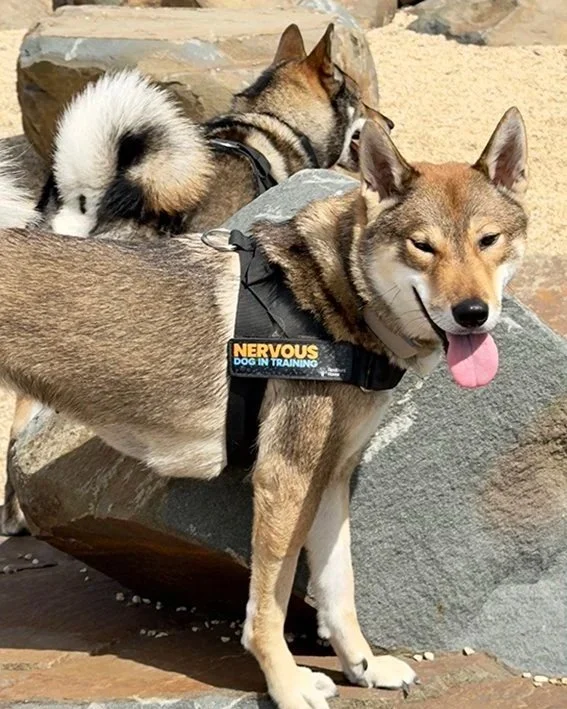
You call your dog. They hear you, glance in your direction, and go right back to whatever has captured their attention. You call again with a little more volume. Soon their name has become the loudest sound in the park, while your dog remains deeply committed to something happening twenty yards away.
Recall can feel intensely personal in those moments. You know your dog has learned what their recall cue means. You have watched them come running plenty of times before, so their lack of response can leave you wondering what happened to all that training. A better question starts with what your dog can access in this particular moment. Recall depends on more than knowing the cue. Distance, duration, distraction, and your dog's emotional state all affect their ability to disengage from what they are doing and reconnect with you.
That brings us to one of our favorite reminders at PupPossible™: Calm Is Power. When recall gets difficult, adding intensity rarely gives your dog the support they need. Your ability to stay regulated helps you observe what is happening and choose a response that makes reconnection easier.
Recall Depends on Availability
Your dog can understand a cue and still struggle to respond to it. Their ability to use what they have learned changes with the situation. Sometimes stress takes up their attention. A worried dog may become focused on monitoring the environment, leaving less capacity for anything you are asking. Their priorities have shifted toward gathering information about what feels concerning. Excitement can create a similar challenge. Picture a young dog racing around with another dog they love. Their attention has narrowed around movement and play, so turning away requires much more effort than it would at home.
These states can look very different from the outside. Both can reduce your dog's ability to disengage and respond. We call this availability. Before asking whether your dog knows the recall, ask whether they are available to respond to it right now. That distinction can change what you do next.
The Three D’s Change the Difficulty
Recall always happens somewhere. That environment determines how much you are asking from your dog. Three variables can help you think about the challenge: distance, duration, and distraction. A recall from several feet away asks something different from a recall across a field. Twenty minutes of exciting activity can also change what your dog has available.
Distraction adds another layer. Your dog may respond beautifully in an empty park, then struggle when something fascinating enters the picture. The cue stayed the same while the difficulty changed.
The Three D’s also interact. Increase one significantly and you may need to reduce another. This gives you a practical way to adjust training without guessing. When recall starts falling apart, look at the situation before repeating the cue. Ask which variable has changed. You may discover that your dog has reached a version of the exercise they have not practiced enough yet.
That information gives you a training plan. You can build the skill at a manageable level and gradually introduce more difficulty as your dog becomes ready.
Learn to Read Before You Call
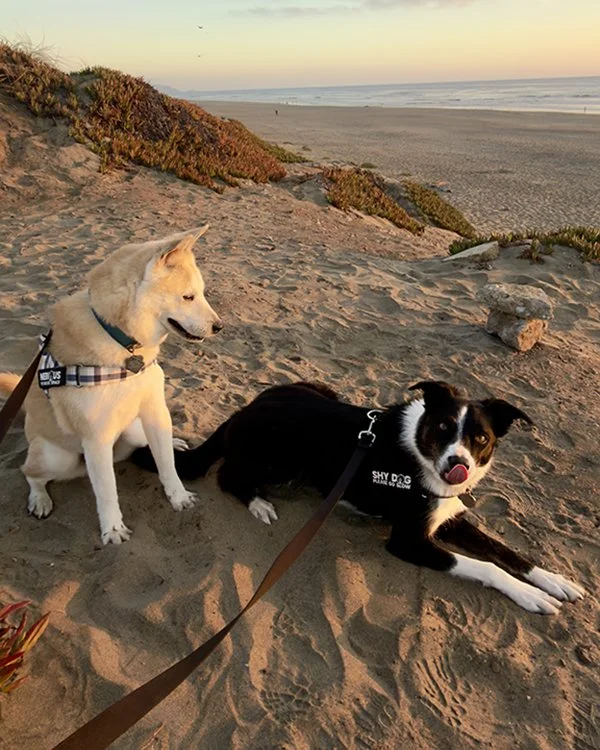
Good recall starts before you say anything. Spend a little time observing your dog and you can begin recognizing when connection feels readily available.
Watch how your dog engages with the environment. A dog who explores and periodically checks back with you may have enough attention available for a recall. When their focus becomes intensely fixed elsewhere, your chances may change.
You can also notice how easily your dog shifts between activities. If they pause and orient toward you when you move, that tells you something about their current flexibility. If the rest of the world seems to disappear from their awareness, you have different information. You do not need to analyze every movement. Look for patterns that help you understand how reachable your dog feels. Over time, this becomes part of speaking dog. You begin choosing when to call based on what you observe rather than simply hoping your dog can respond. Better timing gives both of you more opportunities to practice successful reconnection.
Calm Is Power When Recall Falls Apart
Eventually, you will call at the wrong moment. Every person who lives with a dog gets opportunities to practice this part. Your first impulse may be to call again, only louder. Frustration can add urgency to your voice and movement. Meanwhile, your dog is already dealing with whatever made the first recall difficult.
Calm Is Power gives you another option. Notice that your dog is struggling and reduce the gap between you. Move closer calmly rather than trying to make your voice travel farther. As you approach, make yourself worth reconnecting with. Offer something your dog values when you reach them. Help the interaction shift back toward you.
Your calm also protects the meaning of the recall cue. Repeating it while your dog remains unavailable can give them many opportunities to hear the cue without responding. Choosing your moments more carefully helps preserve the connection between the cue and the behavior you want. This asks for skill from you too. You are learning when to invite your dog back and when to go meet them where they are. That judgment becomes stronger every time you observe before reacting.
Make Coming Back Worth It
Your dog has choices competing for their attention. Building a strong recall means giving reconnection a history worth remembering.
When your dog comes back, make that choice valuable. Reinforcement helps your dog learn that turning away from something interesting and returning to you leads somewhere good. Think about what your dog actually values in that moment. Food may work beautifully in many situations. Sometimes reconnecting with you can also lead back to the activity they were enjoying.
That second possibility can be especially useful. If coming to you always predicts the end of something wonderful, your dog may begin hesitating when they hear the cue. Practice recalls that allow them to return to what they were doing when the situation safely allows it. Now recall becomes part of the experience rather than a signal that the fun has ended. Your dog comes back, reconnects with you, and discovers that responding can keep good things happening.
Recall Works Better as an Invitation
We think of recall as an invitation to reconnect. You are asking your dog to leave what currently has their attention and choose you.
That perspective changes how you respond when they struggle. You can consider what you are asking them to leave behind. Then you can decide how to make coming with you easier. Sometimes that means changing the environment before you practice again. Other times, your dog needs you to move closer so the request becomes manageable. You are meeting them where their current ability lives. Willingness matters here. A dog who repeatedly experiences good things after reconnecting has reasons to make that choice again. Those experiences accumulate every time you practice.
This is Partnership, Empathy, and Trust in a very practical form. Partnership gives both of you a role in the interaction. Empathy helps you understand why the response may be difficult, while trust grows through the history you build together.
Practice Calm Before You Need It
A reliable recall grows through repetitions your dog can handle. Start where returning to you feels relatively easy and make those repetitions worthwhile. As your dog becomes successful, change the difficulty thoughtfully. Add a little more distance during one practice session. Work around a modest distraction another day. Giving each change room to develop helps you understand what your dog has actually learned. Pay attention to yourself during these sessions too. Notice whether you become tense when your dog takes longer than expected. That awareness can help you stay thoughtful when the stakes feel higher.
Your goal is to build a pattern that both of you recognize. You call when your dog has a reasonable chance of responding. They return and discover that reconnecting with you pays off. Those ordinary repetitions create the foundation for harder moments. Calm gets practiced before you urgently need it.
Connection Travels With You
Recall can eventually become one of the clearest examples of communication between you and your dog. You send an invitation across the space between you, and your dog chooses to reconnect. Getting there takes more than teaching a word. You learn to recognize availability and adjust the Three D’s. Your dog learns through experience that coming back to you has value. Some recalls will still surprise you. Your dog may come flying back through a distraction that once consumed them. Another day, something unexpected may make the same request harder.
Calm Is Power helps you navigate both. Calm gives you enough room to observe what your dog is communicating and respond to the dog you have in front of you. That clarity helps you make better decisions about when to call and when to offer more support. This is what we mean when we say We Train People to Speak Dog. Recall becomes part of a larger conversation where you read your dog, your dog reads you, and both of you learn how to find each other again.
If you want to build a recall that works more reliably in the life you actually share, start a conversation with PupPossible. We can help you read your dog's availability and practice recall at a level that gives your partnership room to grow.