Calm Is Power: What Your Dog’s Photo Session Can Teach You About Connection
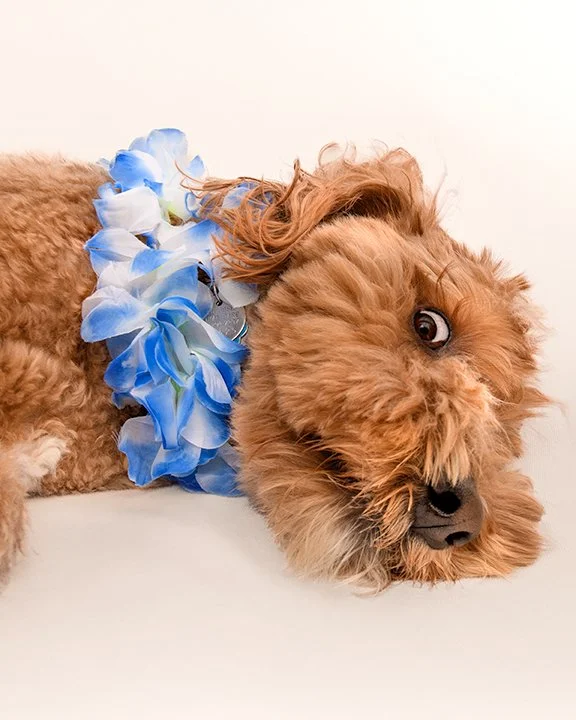
You saw it during the photo session. Your dog settled into the space, their body softened, and suddenly we were capturing the expressions you know so well at home. The camera was there, but the real work was happening around it.
We approach dog photography with the same skills we bring to training. We watch your dog’s communication and adjust our pacing in response. We use motivation thoughtfully. When your dog needs a moment, we give them one. That approach helps us create beautiful portraits efficiently because your dog can participate in the process. It also demonstrates something you can carry into everyday life: Calm Is Power. When we create conditions where a dog can think and engage, we have more possibilities available to us.
A Great Photograph Starts Before We Press the Shutter
Photography asks quite a lot of a dog. We bring them into a studio environment and introduce unfamiliar equipment. Then we invite them to participate while someone points a camera in their direction.
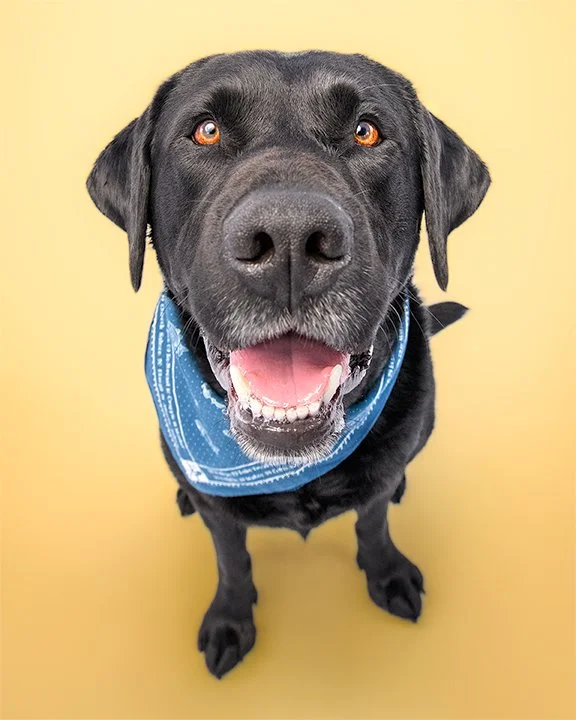
Our first job is to read the dog who arrives. We pay attention to how your dog moves through the space. We notice when their body begins to soften and when they need more time. Those observations help us decide how quickly to move. Sometimes we can invite a pose almost immediately. Another dog may benefit from exploring the space before we ask for much at all. Both approaches can get us to the photograph because we are working with the dog in front of us.
This is where our training experience changes the photography session. We can use reinforcement to make participation worthwhile, while our understanding of dog communication helps us recognize what your dog can comfortably offer. Instead of spending a long time trying to manufacture the right expression, we create opportunities for the expression to emerge. The result can feel surprisingly easy. Your dog settles, we recognize the moment, and the camera catches it.
Calm Gives Us More to Work With
Calm Is Power describes something practical. A dog who feels comfortable enough to engage has access to more choices. They can notice what we are asking and decide how to respond.
That makes calm valuable during a photo session. If your dog needs a break, we can pause before continuing. When they are ready to participate again, we can invite the next interaction. We also pay attention to ourselves. Dogs notice our movement and the way we approach them. A photographer who slows down can change the experience before asking the dog to do anything differently.
That does not mean every dog needs to become perfectly still. Some dogs bring wonderful energy into the studio. Calm gives that energy somewhere productive to go because the dog can remain engaged with the people around them. The photograph may capture a fraction of a second, but getting there depends on everything that happens around that second. We create a predictable experience and let your dog show us what they have available.
Motivation Helps Your Dog Join the Process
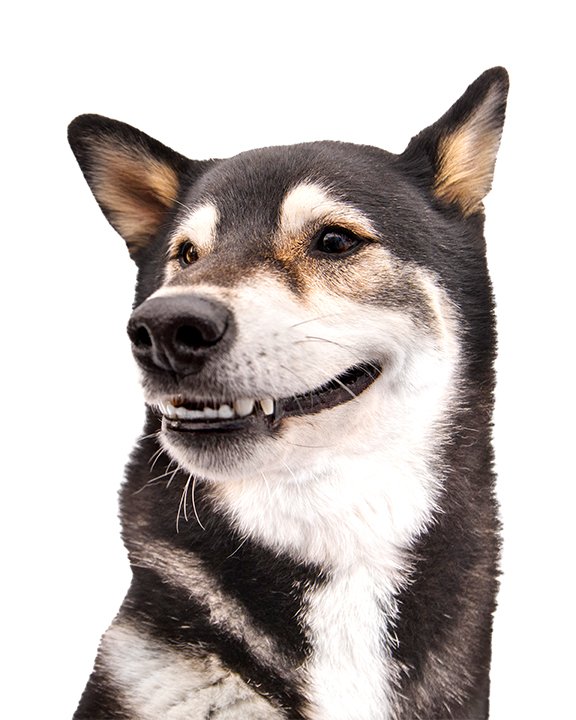
A great portrait often looks effortless. Behind the camera, we may be having a very active conversation with your dog. We use reinforcement to help your dog understand which choices are working. A glance toward the camera might earn something they value. Holding a position for another moment may lead to another rewarding interaction. Your dog starts discovering how the game works.
The reward depends on the dog. Food works beautifully for many dogs, while another dog may become more engaged through connection with their person. We watch the response and use what genuinely motivates the individual in front of us.
This can make the session surprisingly efficient. When your dog understands how to participate, we spend less time trying to get a photograph and more time recognizing the moments worth capturing. There is agency in that process too. Your dog gets opportunities to opt into what we are doing. Their willingness gives us information about when to continue and when to change our approach. That collaboration is one reason the photographs can feel so much like your dog. We are inviting expressions rather than imposing them.
Take the Same Observation Home With You
The studio gives us a concentrated opportunity to watch communication unfold. Everyday life gives you many more. Think about a moment when your dog feels comfortable at home. Notice what their body looks like before you interact with them. That picture becomes useful because it gives you a reference point for recognizing change. Now carry that observation into situations where your dog has more to process. You may notice their body tighten on a walk. Perhaps their attention shifts when someone approaches. Catching that change early gives you more choices about how to respond.
You can also experiment with your own pacing. Give your dog an extra moment before asking for the next behavior. Watch what happens when you allow them time to gather information. These observations build your fluency. You begin recognizing your dog's communication earlier, which helps you respond while the situation still feels manageable. That can make everyday interactions feel clearer for both of you.
Your Calm Becomes Part of the Conversation
There is another participant in every interaction with your dog: you. Dogs become remarkably familiar with the humans they live beside. They watch our movement and learn the patterns that predict what happens next. Your behavior becomes part of the environment your dog reads. During a photo session, we use that awareness intentionally. We keep our movements purposeful and give the dog enough time to understand what is happening. When we want less intensity from the interaction, we can lower the intensity we bring to it.
You can practice the same awareness at home. If a situation starts getting busy, notice what happens in your own body. Slowing your movement may help you respond more thoughtfully instead of adding another layer of activity. One of our favorite ways to describe this is that your face is your dog's favorite TV show, and they know every episode. Your dog has spent a lot of time studying you. The information you provide can help make the next moment easier to understand.
This gives Calm Is Power another meaning. Calm can help you observe before reacting. From there, you can make a clearer choice about what your dog needs from you.
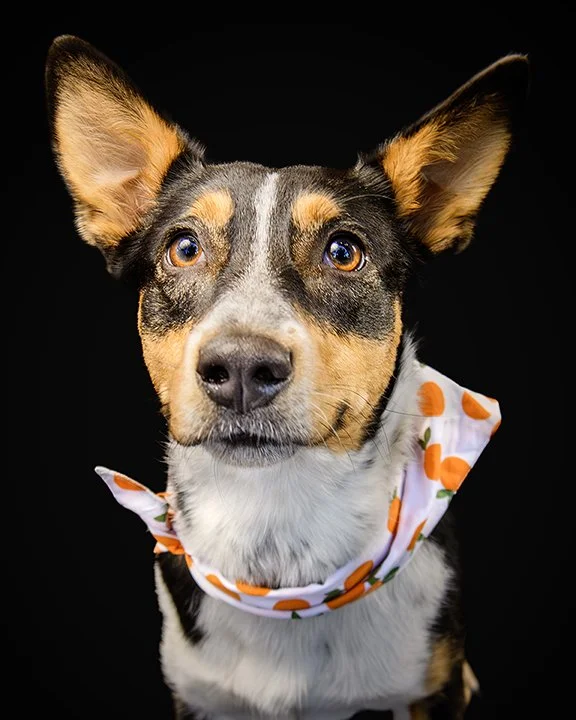
The Dog in the Portrait Comes Home With You
One of the things we love about photographing dogs is watching people recognize their dog in the finished images. They see the familiar expression and personality they hoped we would capture. Sometimes they also see a level of ease they did not expect from a studio session. That ease can spark a useful question: What helped my dog feel comfortable enough to show up this way?
Part of the answer may be the pacing. Part may be the way we used reinforcement. More broadly, your dog experienced people observing their communication and adjusting the interaction around what they saw. You can bring that same curiosity into your relationship. Notice when your dog feels comfortable enough to explore. Learn what helps them stay engaged when something becomes difficult. Those observations can guide the choices you make together. This is the heart of We Train People to Speak Dog. The photo session gives us a chance to listen closely to your dog because listening helps us create better photographs. The same skill can help you understand each other more clearly long after the studio lights come down.
Calm Can Open More Possibility
A portrait session has a clear goal: create photographs of your dog that you will love. Our training experience helps us reach that goal while giving your dog a thoughtful way to participate. What happens in the studio can also offer a glimpse of something bigger. When your dog feels heard, you may see greater willingness to engage. When you understand what they are communicating, you have more ways to support them through the experience.
Calm Is Power because calm creates room for communication. You can observe more clearly, and your dog has greater opportunity to make choices. Together, you have more information for deciding what happens next. That can matter well beyond photography. The skills that help a dog settle into a studio can also deepen the way you understand them in everyday life. As that understanding grows, you may discover more of what you and your dog can comfortably explore together.
If you would like beautiful portraits created around your dog's communication, start a conversation with PupPossible™ about a Pup Photography session. We will bring the camera, the training experience, and plenty of curiosity about the dog who walks through the door.