
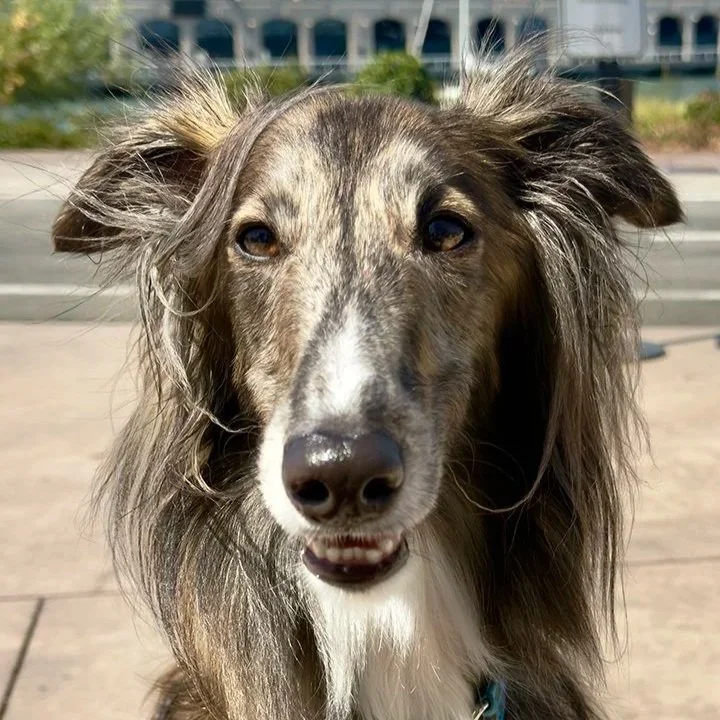
Streak: Turning a Walk Into a Conversation
Streak’s progress shows up in ordinary walks. He travels block after block with far fewer stalls, notices something interesting, reconnects with Satoko or Tomo, and continues moving. Satoko and Tomo now carry the conversational rhythm themselves. Each walk gives them hundreds of small opportunities to notice a glance or pause, respond with movement, attention, food, touch, play, or direction, then watch what Streak communicates back.
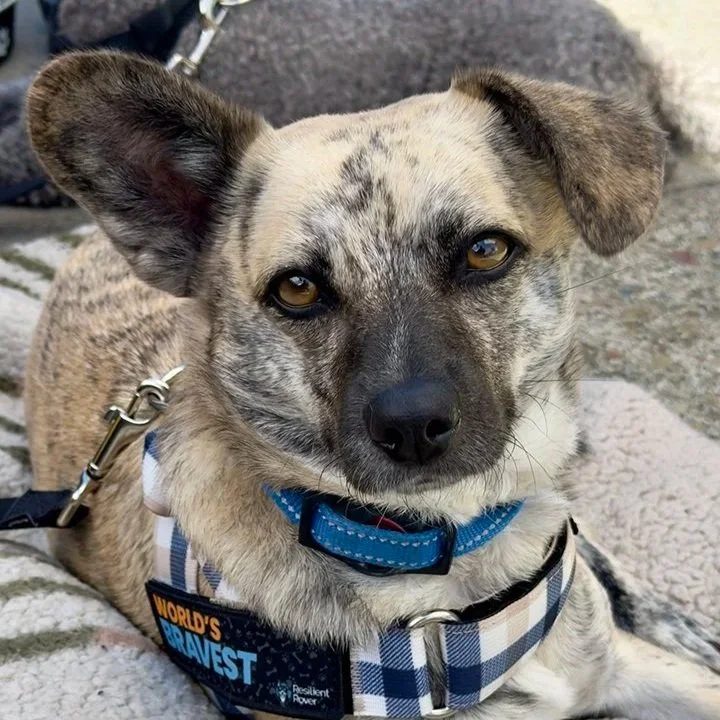
Sierra: Her World Just Keeps Getting Bigger
Sierra could become intensely focused on other dogs and sometimes people, followed by barking or lunging when an encounter became difficult. Her behavior showed us a dog taking in an enormous amount of information from her surroundings. We worked with Sierra two or three times each week. Neighborhood walks, parks, carefully chosen dogs, and quiet stops in public places gave us opportunities to observe which distances, environments, and social interactions helped her stay engaged.
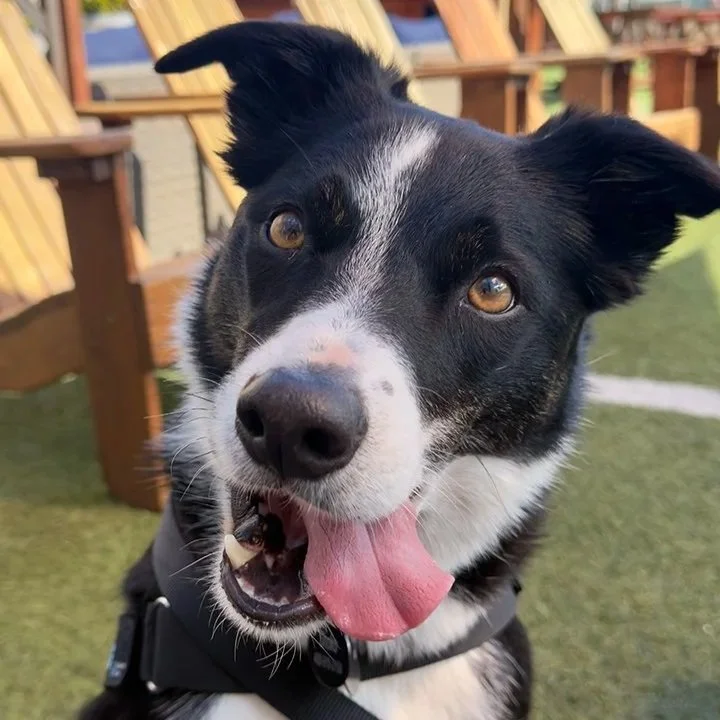
Shoko: Expanding his Tiny Inner Circle
When we first met Shoko, walking through his front door was already too much for him. This sensitive Border Collie had a very small circle of trusted people, and any unfamiliar humans entering his home led to barking, lunging, and attempts to nip.
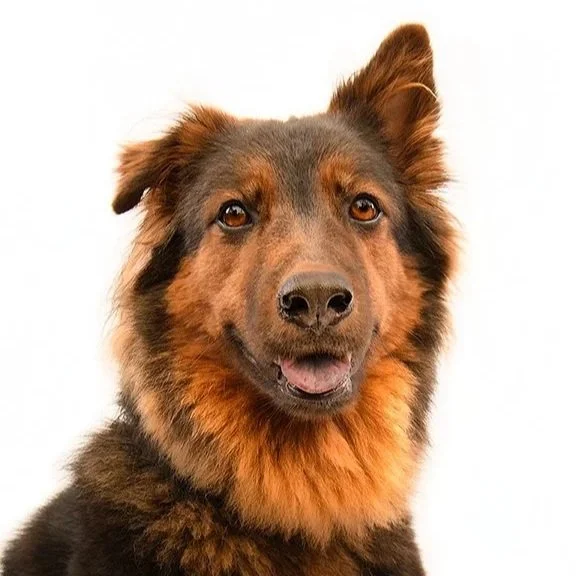
Rio: Making Consent a Part of Conversation
Rio cares deeply about what happens to his body, his space, and the things he values. Metal storefront gates and garage doors could send him panic-pulling, unfamiliar people could lead him underneath the table, and dogs approaching too quickly could lead to teeth. At home, that sensitivity extended to possessions. Socks, shoes, remote controls, blankets, toys, dog beds, and other resources led to growling and bared teeth when Rio became concerned about someone approaching.
Olive: Learning to Share the Things She Loves
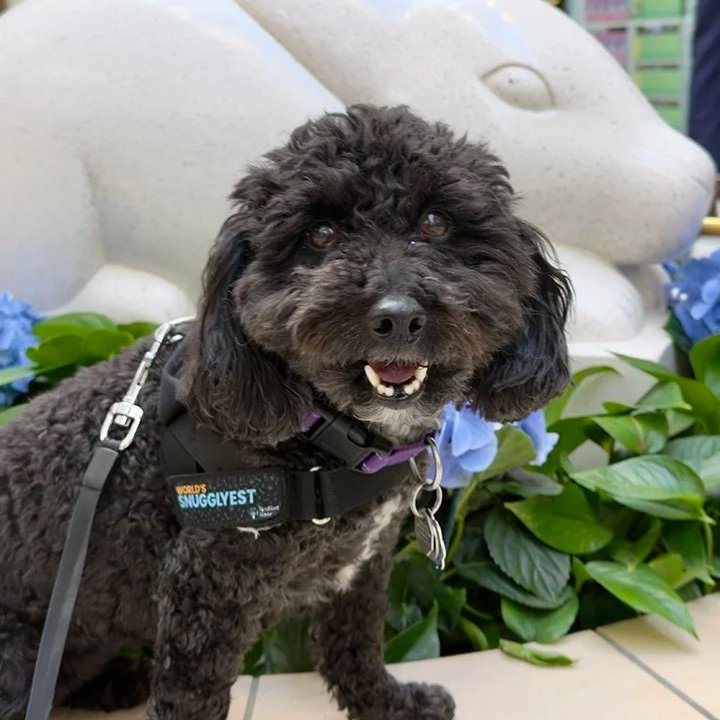
Olive’s attachment to Becki runs deep. She likes physical closeness, follows her people closely enough that her nose can touch their legs, sleeps near them, and has been known to mope when work travel separates her from Becki. That closeness gave us useful context for understanding why Becki’s lap carried so much value around other dogs. Olive had access to someone deeply important to her, and another dog entering that space could change her behavior quickly.
Mona: Learning to Speak Up for Her
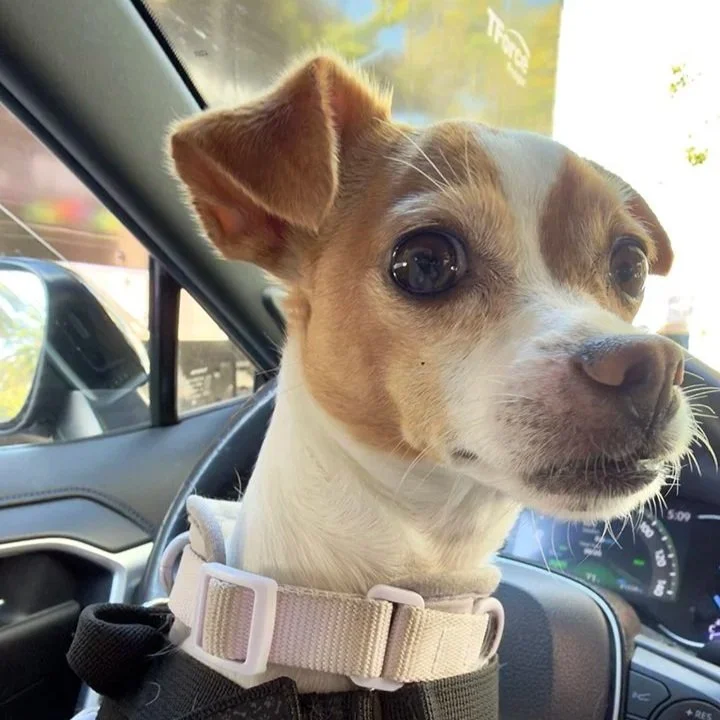
During our first training session with Mona, we were asked to leave a restaurant because of Mona’s barking. Before we even sat down, Mona was already barking at the waiters. Dark uniforms, quick movements, and people moving near the table was more than Mona could process. Maria became increasingly embarrassed as Mona barked, and eventually we were asked to leave. But with consistency and steady support, we made sure that never happened again.
Haru: Learning That He Can Be Heard
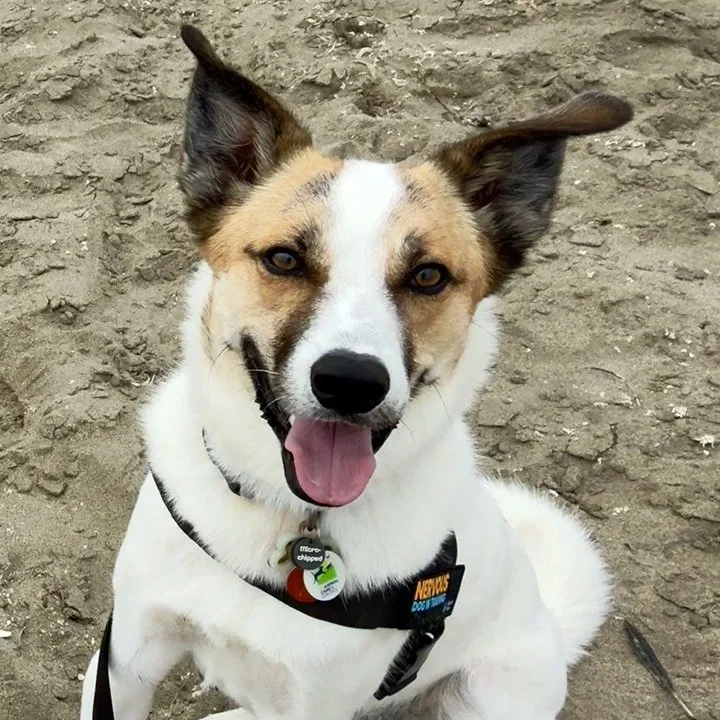
When Matt and Maria first came to us, they were concerned about Haru’s reactivity with other dogs. Close encounters could lead to lunging, and sometimes even snapping and nipping, so his family wanted to help this young, sensitive dog handle the park. In our first 1:1 session, Haru turned out to be quite nervous and environmentally sensitive. But he introduced another part of himself. During one of the decompression breaks, Haru offered a paw and then took it even further. He curled it gently around the hand reaching toward him, and held on. The gesture was gentle, deliberate, and deeply affiliative. Haru was using that paw to ask for support. Beyond being heartwarming, it showed us just how clearly Haru communicates.