Reading Your Dog: 7 Small Signs Your Dog May Be Asking for Support
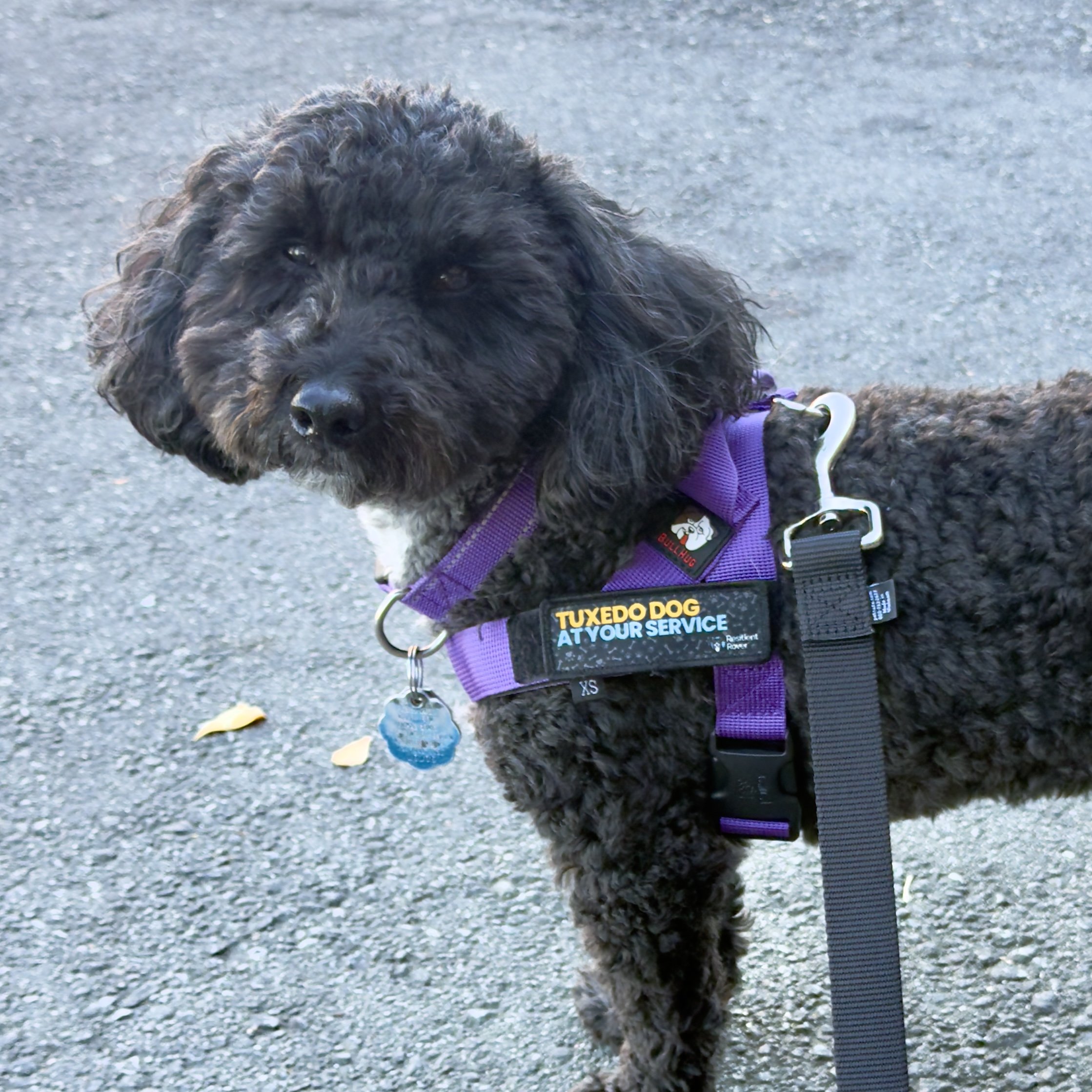
Dogs never start with the biggest version of what they have to say. Long before a fight or flight response, there are smaller changes: head turning, movement slowing, mouth closing, drifting away.
Those subtle early signals are easy to miss. But they can give you some of the most useful information your dog has to offer. Learning to notice these quieter signals gives you more time to respond while your dog still has the emotional ability to choose their next action. You can take the information, adjust your own response, and see what happens. Over time, those small exchanges can build a clearer conversation between you and your dog.
Here are seven signs worth watching.
1. Your dog turns away
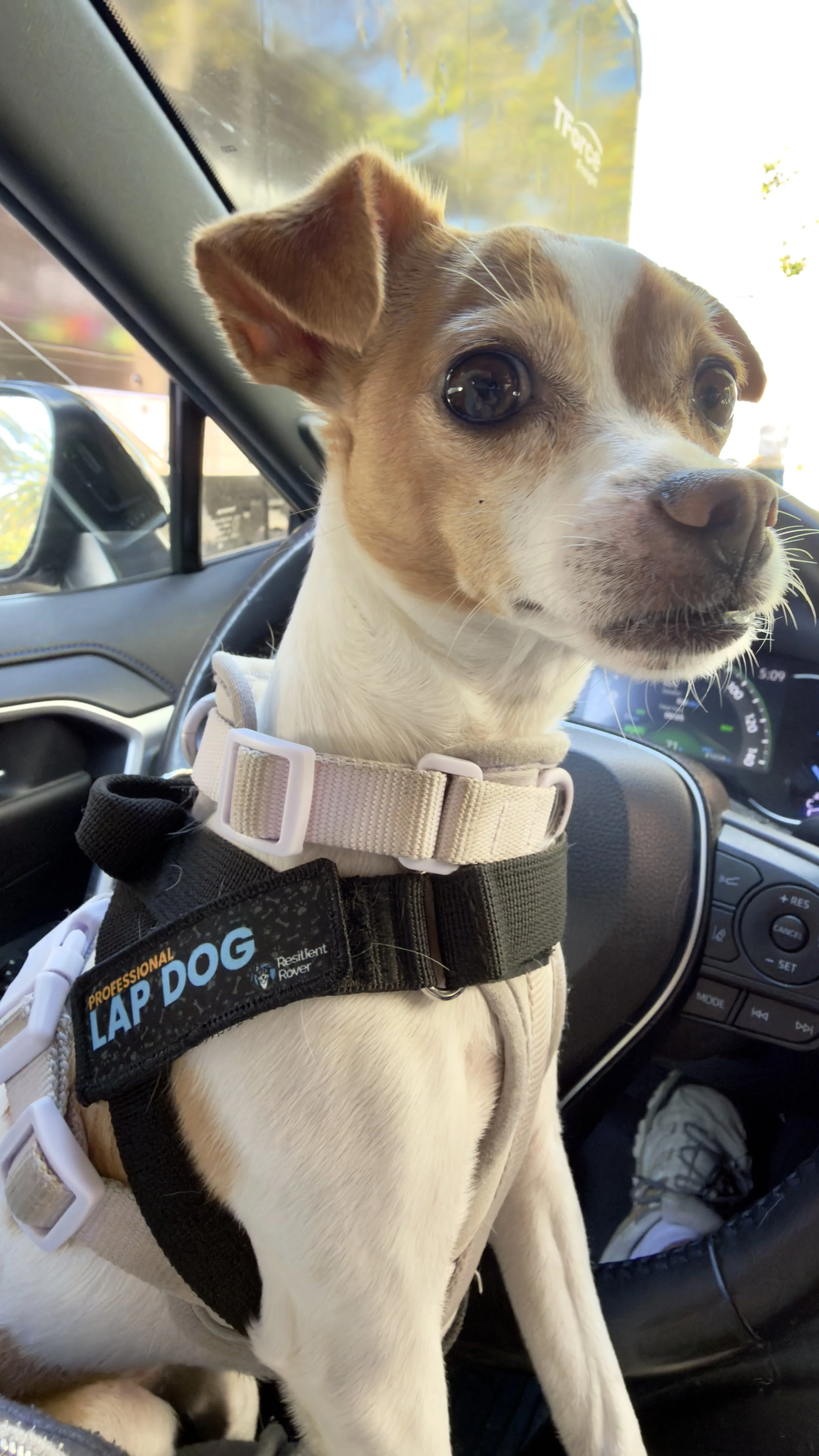
Imagine someone reaches toward your dog and their head turns to the side. Or maybe it’s just their eyes. Or maybe their whole body begins to angle away. That turn communicates several things, depending on context: your dog may be interested in something else, they might be gathering information, they might be trying to disengage from the interaction, or simply asking for a little more space. Pairing the behavior with the context helps you understand which one it is.
It’s a good moment to pause. Give your dog a little more room to choose what happens next. If they turn back to you, move closer, or re-engage with a loose body, you now have some more information. Alternatively, if they continue looking or moving away, that gives you different information. The important part is noticing that your dog responded to you in their language, and they can absolutely tell that you heard them.
2. Your dog slows down
We tend to notice where a dog goes, but we should pay attention to how they get there, too. A dog who was moving easily and suddenly begins walking more slowly may be telling you that something in the environment is on their mind. When you start looking for the “why,” you might see a stranger coming, another dog, a big shadow, a new surface, some unexpected motion, or even a strange sound.
Slowing down gives your dog time to gather information. Give them a little time to seek, intake, and process, rather than encouraging them forward. What happens when the pressure to keep moving decreases? Does your dog begin sniffing? Does their movement loosen? Do they choose to continue, take another route, or stay where they are? Their next choice can give you tons of great information about how they’re feeling and what they need.
3. Your dog moves away
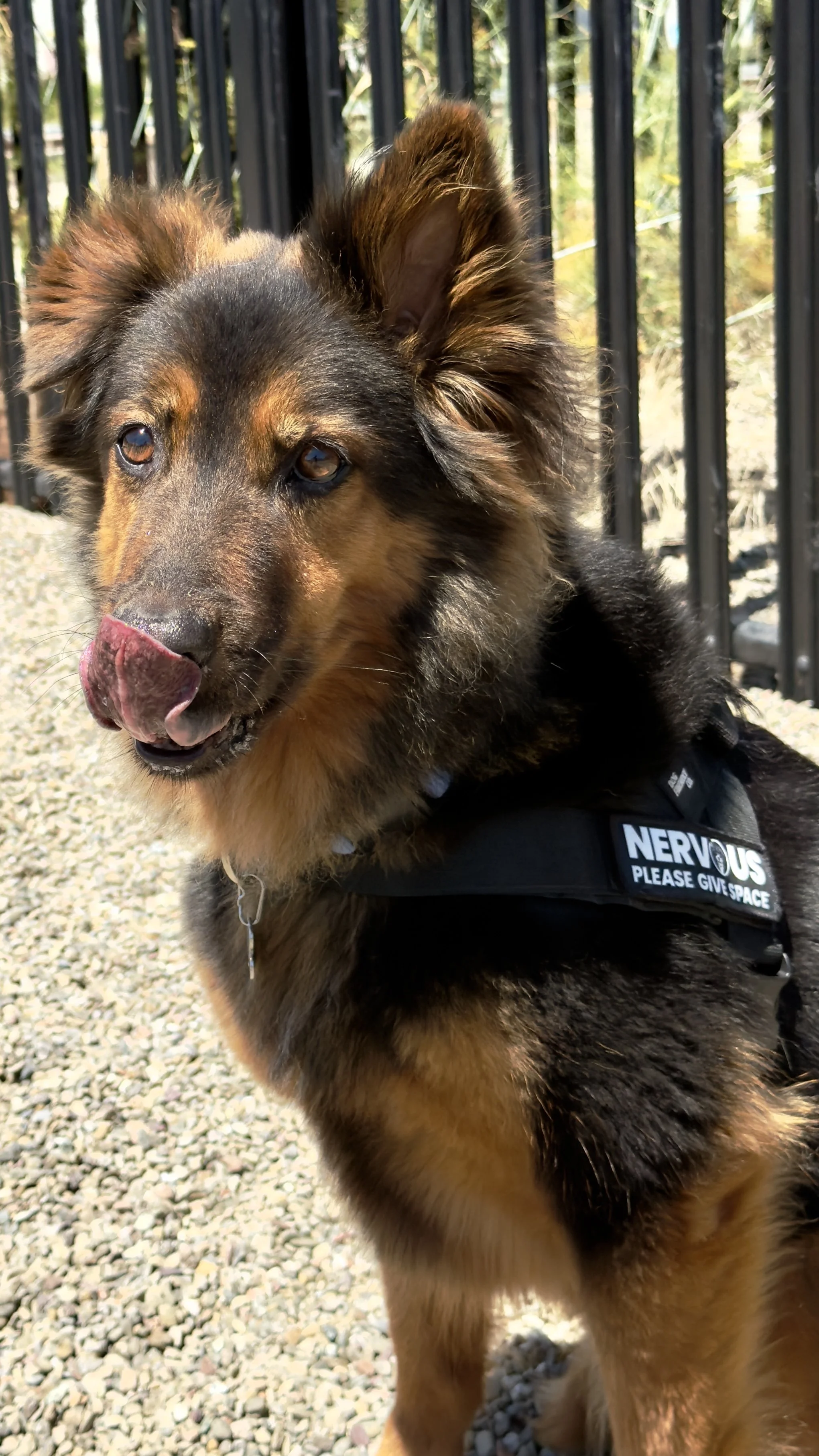
Sometimes the clearest request for space looks exactly like what it sounds like: your dog chooses to create distance. They might take one step backward when a hand reaches toward them. They might shift to the other end of the couch. During a greeting, they may walk behind you.
A request for more distance is dog-language conversation. When your dog seeks it, notice what happens when you allow it. A little more room may bring a softer body, a check-in with some eye contact, and more willingness to engage. Those changes help you understand whether space was useful. Responding to that early movement also teaches your dog something important about communicating with you: their quieter signals can still be heard, and they actually help shape what happens to them.
4. Your dog becomes still
Movement tends to get our attention, but stillness deserves it too. A dog who suddenly stops moving may be focusing intensely, gathering information, or feeling uncertain. Look at the whole picture: body tension, orientation, facial expression, the surrounding environment, and what happened right before the pause. Mirror by slowing your own movements as well. Avoid increasing social pressure, and observe what your dog does next.
5. Your dog’s mouth changes
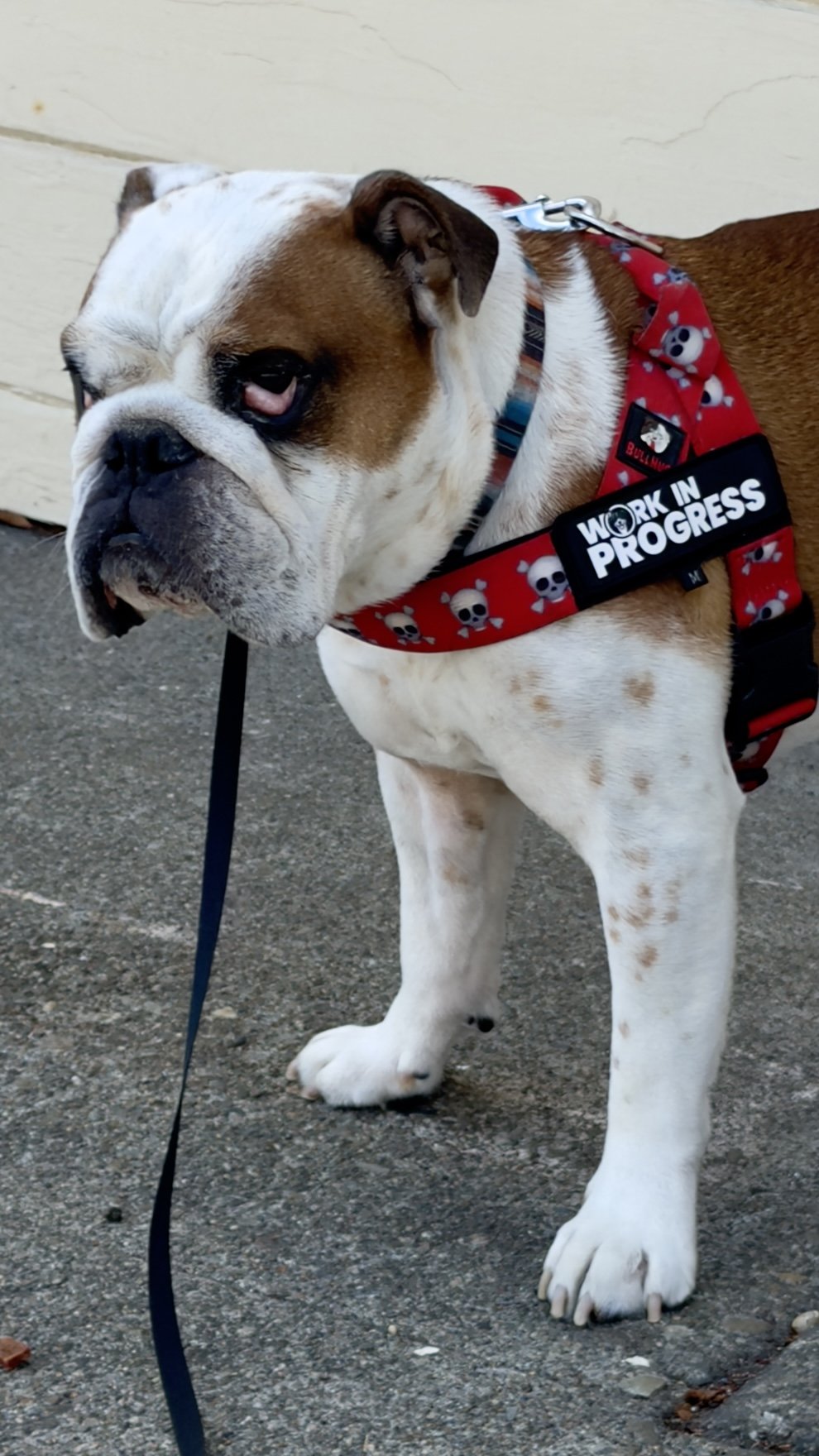
One of the smallest changes can happen right under your dog’s nose. A dog may be panting with an open mouth, then suddenly close it as something approaches. You might notice tighter muscles around the muzzle, lip licking, drooling, or moisture on the nose.
All of this can tell you that something changed, but look outward as well. What changed? Did a person move closer, or another dog appear? Did something in the environment suddenly become louder or busier? The context always helps the signal make sense.
6. Your dog checks in with you
Sometimes asking for help is just a simple glance. That look may be seeking information, reassurance, or simply reflect a behavior your dog knows is rewarding. Again, context matters. Notice when the check-in happens and what your dog does afterward.
Imagine another dog appears ahead on the sidewalk. Your dog notices them, then looks to you. That glance creates an opportunity for a two-way conversation. Responding might mean pausing, changing direction or creating more distance. Your response shows your dog that checking in can generate feedback that helps them navigate the situation. That little glance becomes a powerful piece of teamwork.
7. Your dog approaches, then retreats
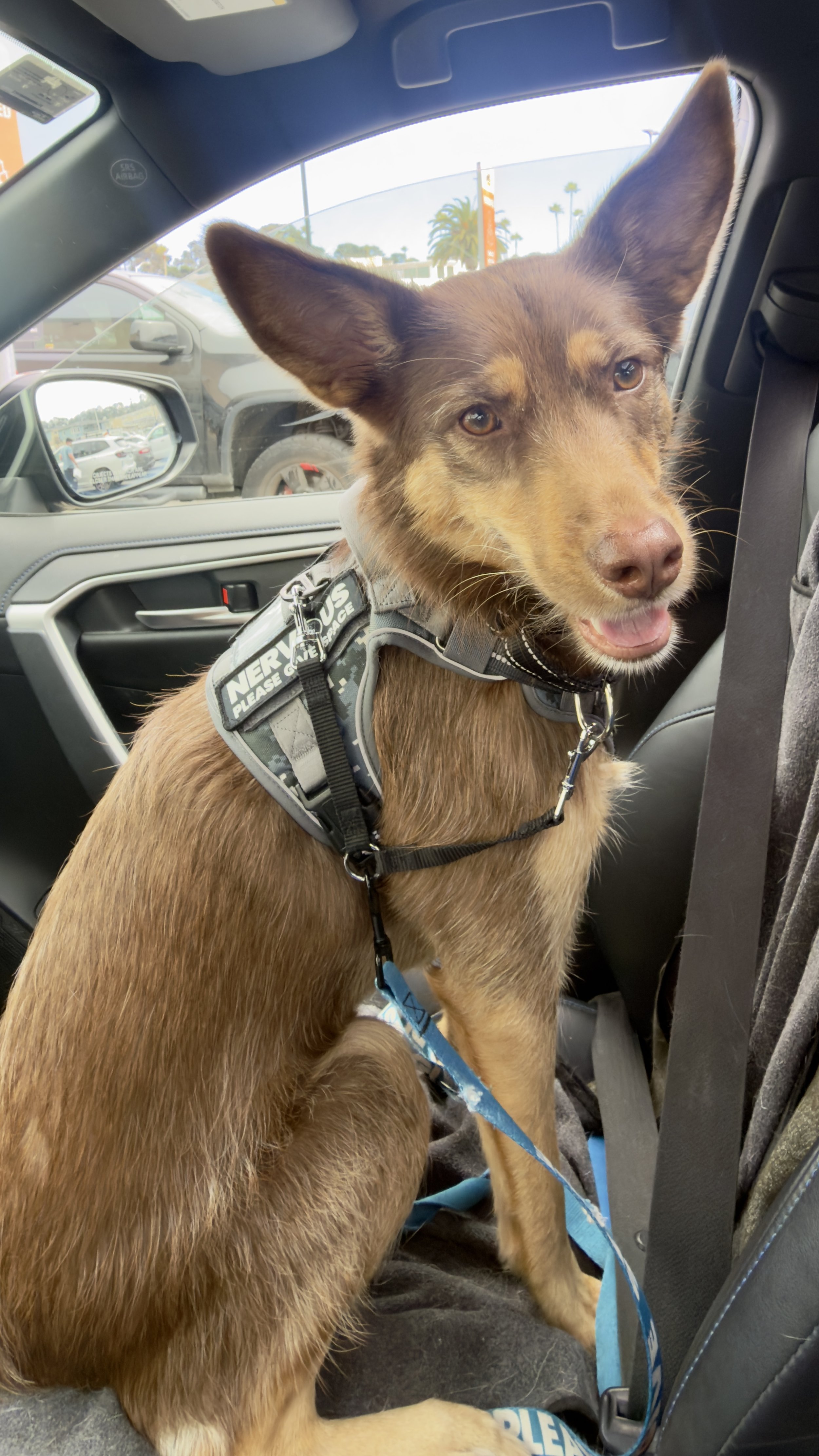
Sometimes dogs look like they want two things at once. Your dog may walk toward a new person because they want information, then abruptly move away when the social pressure increases. The back-and-forth movement can communicate curiosity alongside a need for time, distance, or predictability.
Give both parts of that communication room to exist. An approach gives your dog an opportunity to investigate. A retreat gives them an opportunity to regulate. Let your dog gather information without becoming trapped in an interaction, even if they initiated it
Read the conversation and the context
None of these behaviors come with an always-true translation. Something like a head turn can mean different things in different contexts. So can stillness, moving away, or looking at you.
Start with what you can directly observe, and avoid projecting feelings and conclusions onto that. Instead, look for context: sights/sounds/motion in the environment, and sudden changes that happened immediately beforehand. Then weigh the choices and next steps available to you and your dog. Respond and observe what happens afterward.
The read → understand → respond framework can help you avoid over-humanizing and focus on the signal+context=conversation equation. Soon your dog will hear loud and clear that you’re hearing them when they “talk.” When they hear you hearing them, they’ll respond with connection and trust. Creating positive feedback loops like this is exactly what we mean when we say: We Train People to Speak Dog.
If you’d like to learn more about how to read, understand and respond to your dog’s subtle signals, start a conversation with PupPossible.